



I keep a secret list. It’s a growing, increasingly unwieldy collection of true stories from history that I think might one day become books. Some are famous; some are almost completely forgotten. Some have murders, some have scandals, all have extraordinary people at their heart. Have a look and maybe one of them will inspire you to write the book before I get there in my time machine!
1. The Bisley Boy
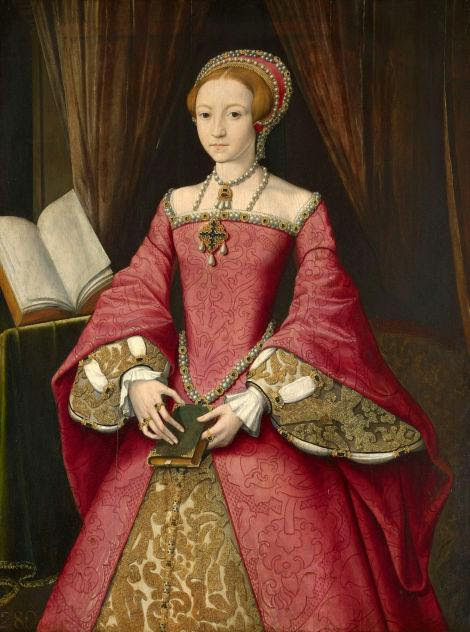
What if Queen Elizabeth I wasn’t Queen Elizabeth I at all?
One of the most gloriously persistent Tudor rumours claims that, shortly before Elizabeth’s coronation, the young princess died and was secretly replaced by a boy from the Gloucestershire village of Bisley. The story goes that Elizabeth had been sent there as a child and, when her governess discovered that she had died, a local boy was substituted because nobody dared admit that the future queen was dead. It is almost certainly nonsense. But what wonderful nonsense.
2. The Pink Triangle
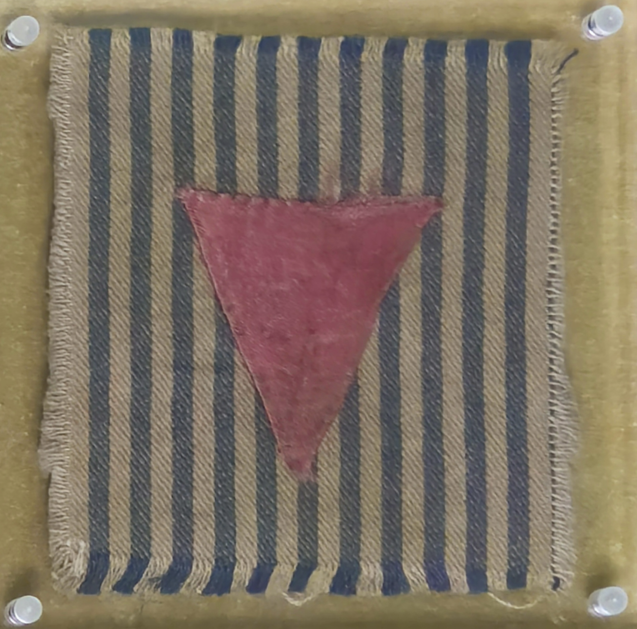
There is something unbearably cinematic about the stories that emerged from the Nazi concentration camps – and one in particular has stayed with me: the story of a love triangle involving men imprisoned under the Nazis, where love, survival and betrayal become almost impossible to separate.
The pink triangle itself was the badge imposed on gay men in the concentration-camp system. But behind that symbol were individual lives: people who fell in love, formed attachments, protected one another and sometimes had to make impossible choices simply to stay alive.
3. Anne Askew
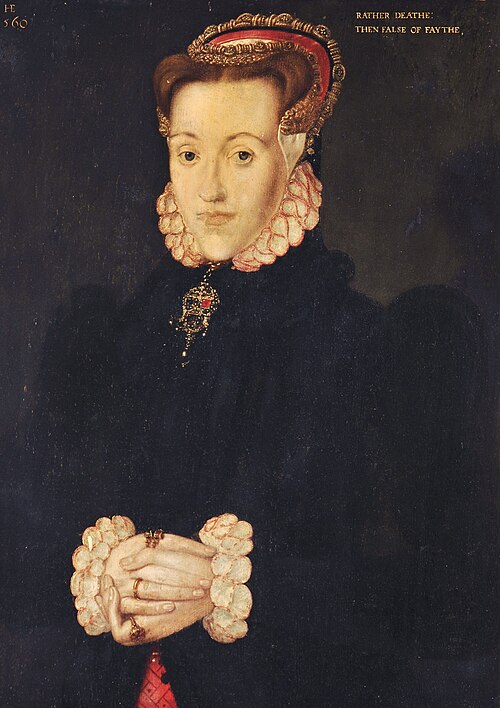
Anne Askew’s story is one of those pieces of history that sounds invented until you discover that it isn’t. She was a Protestant writer and poet in Tudor England, a woman who challenged religious orthodoxy at precisely the moment when doing so could get you killed. She was interrogated, tortured in the Tower of London and eventually burned at the stake in 1546. The sheer undaunted audacity of her impresses me. Even after being tortured, she wouldn’t name the people they wanted her to betray.
4. Mary Anning
Dinosaurs! Well, not quite dinosaurs. But you get the idea.
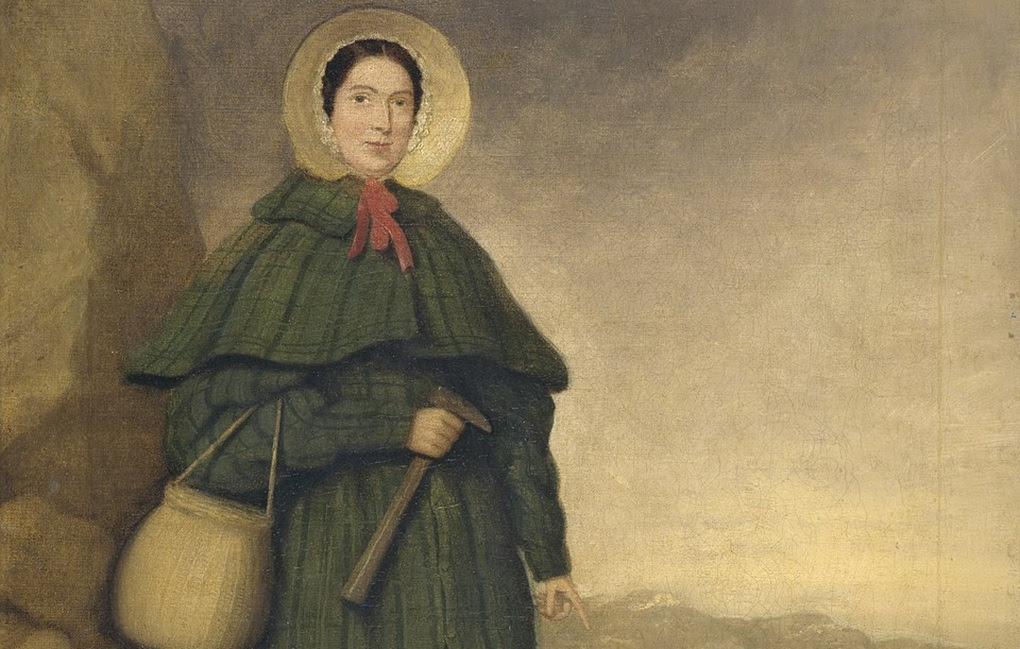
Mary Anning was a fossil hunter from Lyme Regis who became one of the most important fossil collectors and palaeontological figures of the nineteenth century. She came from a poor family and made a living searching the cliffs and beaches of the Jurassic Coast for fossils. Her discoveries helped transform the Victorian understanding of prehistoric life. Naturally, she didn’t receive anything like the recognition given to the wealthy male scientists who studied and published the specimens she found.
5. Parliament Joan
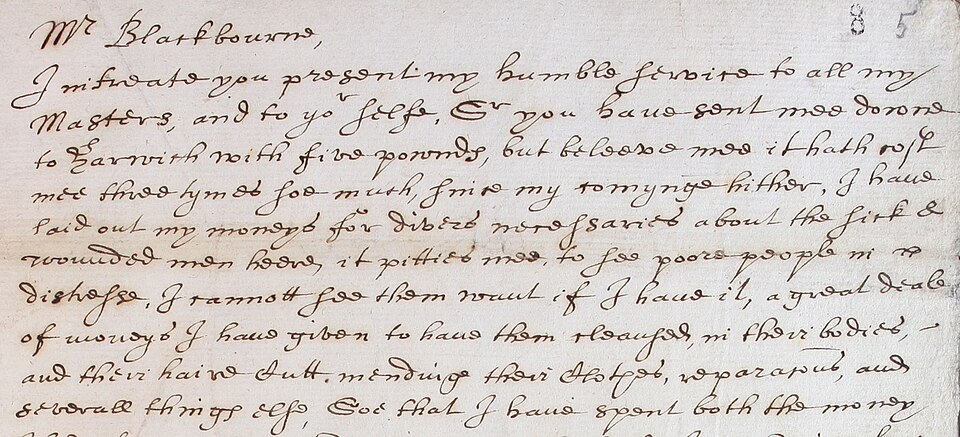
Joan was a journalist and pamphleteer working during the extraordinary political upheavals of seventeenth-century England, around the period of Oliver Cromwell and the creation of the Commonwealth. Parliament was fighting the Crown. The monarchy had been abolished. Political factions were battling for control. Pamphlets and newspapers were becoming weapons. Somewhere in the middle of all this was a woman writing about it all, in spite of huge personal peril.
History is at its most exciting, you’ll agree I’m sure, when the people living through it don’t yet know how their story is going to end.
So, that’s five of about fifty I have on my list. I wish I could research and write quickly enough to bring them all to life, but alas, my process takes a lot of time and careful attention. Still, which do you think could be my next novel?
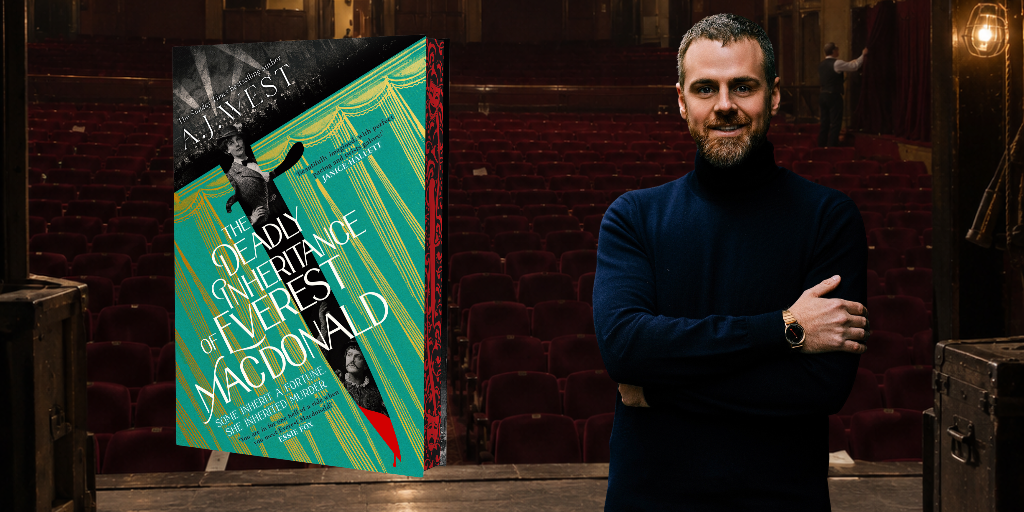
A.J. West is the author of The Deadly Inheritance of Everest Macdonald, a thrilling, dark mystery and adventure, based on the real-life murder of Victorian actor, William Terriss, at the Adelphi Theatre in London. Published on 8th October by Orenda Books.


