
As a crime writer, I’m often asked which books have influenced me and it’s always the hardest question to answer. The answer changes depending on when you ask, but there are certain books that have never really left. While writing my own novels I read widely, both within and outside the crime genre, but I have always been particularly drawn to psychological thrillers with a kind of quiet dread. I love stories that get under your skin and stay there long after you’ve turned the final page. The books I love most aren’t necessarily the ones with the biggest twists (although a well-executed twist is always satisfying). They’re the ones that create a feeling of unease, make me question what I think I know, and explore the darker corners of human behaviour.
As both a reader and a writer, I’m fascinated by what people hide from each other – and from themselves. The following five books all do that brilliantly. They create atmosphere, are driven by complex characters and leave you with the sense that something isn’t quite right, even before you understand why.
So here are five psychological thrillers that have stayed with me.
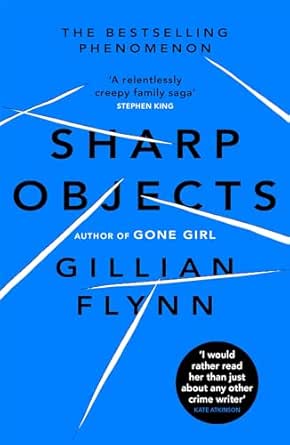
Sharp Objects by Gillian Flynn
When people talk about Gillian Flynn, Gone Girl is often the first book that comes to mind, but Sharp Objects is the one that has always stayed with me. It’s Gillian Flynn’s first book and it’s about much more than the case it begins with. The novel follows journalist Camille Preaker as she returns to her hometown to investigate the murders of two young girls. Although the book begins as a crime investigation quickly becomes something much darker and more personal.
What I love most about this book is its atmosphere. There’s a sense of discomfort from the very first page. The prose is lyrical at times but also haunting, with Flynn describing unsettling details that linger in your mind. The relationships between the women in the story are as compelling as the mystery itself, as are the dynamics of the small town in which it unfolds. It’s a brilliant example of how psychological suspense can be far more disturbing than physical violence.
I’m Thinking of Ending Things by Iain Reid
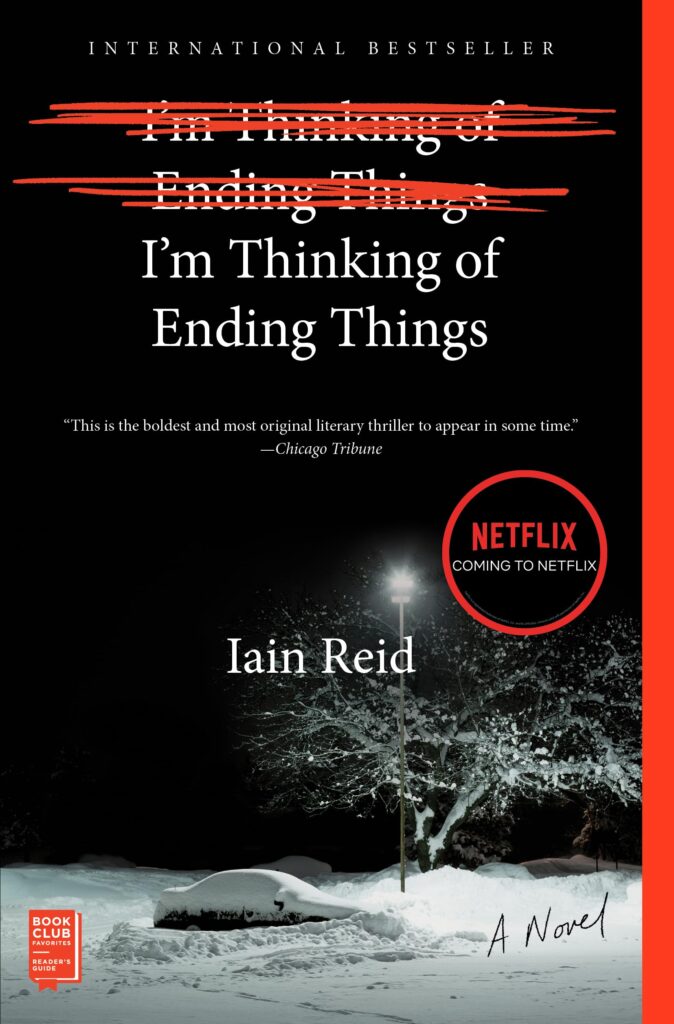
This is one of the strangest and most unsettling books I’ve ever read – and I only read it recently. The reviews were mixed, but I loved it! The premise seems simple: a young woman is travelling with her boyfriend to meet his parents, all while considering ending the relationship. But very quickly something starts to feel so wrong.
I won’t say much more because part of the experience is discovering the story for yourself. What impressed me most was how effectively Reid creates tension through uncertainty. The feeling that something is off never leaves you, and the book becomes increasingly unsettling with every chapter. It’s beautifully written and I was hooked from the first pages. It’s the kind of novel that lingers in your mind long after the final page is turned.
A Flicker in the Dark by Stacy Willingham
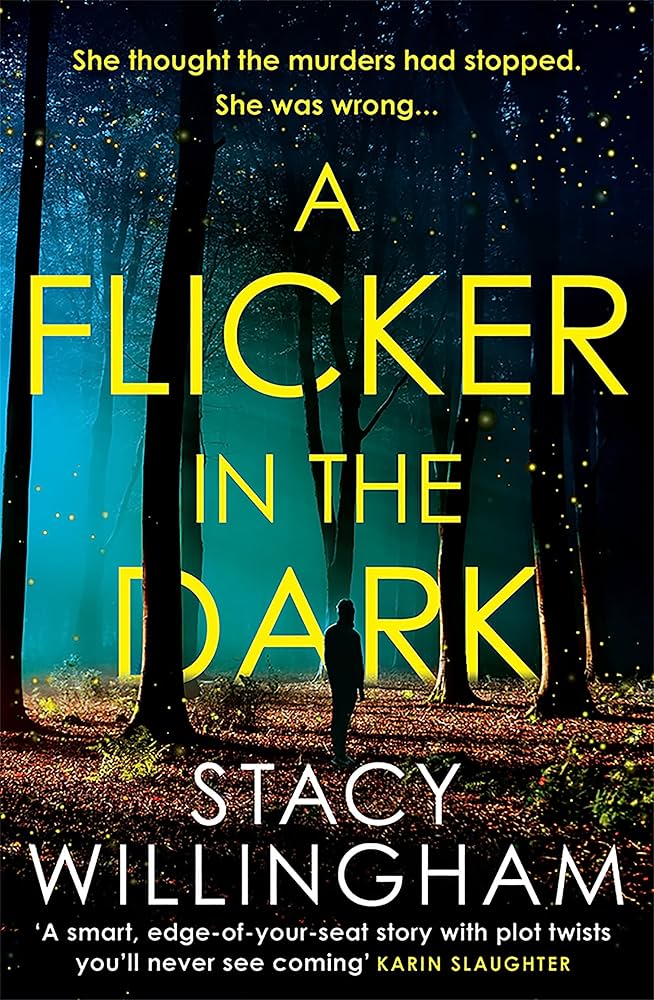
A Flicker in the Dark is a debut novel that immediately grabbed my attention. The story centres on Chloe Davis, whose father was convicted of murdering six teenage girls when she was a child. Twenty years later, as Chloe tries to move on with her life, girls begin disappearing once again.
What makes this book so effective is the way it explores the long-term effects of violence and suspicion. Chloe is never entirely sure whom she can trust and that uncertainty drives the story forward. It’s a gripping thriller with immense emotional depth and a protagonist I genuinely cared about.
Then She Was Gone by Lisa Jewell
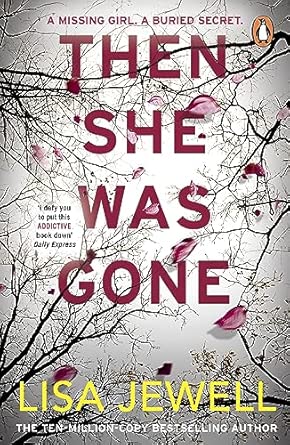
I love all of Lisa Jewell’s books. She has an incredible ability to combine emotional storytelling with suspense. I have several favourites, including None of This Is True, The Night She Disappeared and Then She Was Gone. The latter is a particular favourite.
The story begins ten years after fifteen-year-old Ellie Mack disappeared without a trace. Her mother, Laurel, has spent years trying to come to terms with what happened. Then she meets a man whose young daughter bears a striking resemblance to Ellie.
The novel is heartbreaking, suspenseful and incredibly human. It’s as much about grief as it is about the mystery of Ellie Mack’s disappearance. What I admire most is Jewell’s ability to explore themes of loss and longing while still delivering a compelling mystery. The emotional impact of the story is every bit as powerful as the suspense.
Hidden Pictures by Jason Rekulak
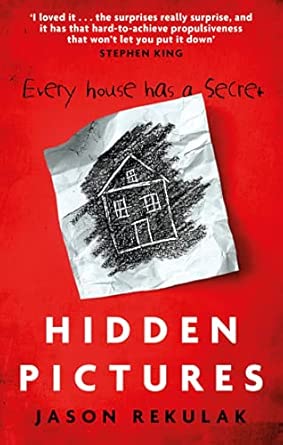
Hidden Pictures is one of those books that took me completely by surprise. The novel follows Mallory, a young woman in recovery who takes a job looking after a five-year-old boy. When the child’s drawings (and the drawings in the book are very creepy) begin to depict increasingly disturbing scenes, Mallory becomes convinced that something sinister is happening.
What I enjoyed most was the book’s originality. It combines psychological suspense with supernatural elements in a way that feels fresh and engaging. It’s creepy, entertaining and impossible to put down.
Why these books?
These five books may seem very different on the surface, but they share something important: none of them rely solely on plot twists. Instead, they create atmosphere, develop complex characters and explore difficult emotions. They make readers feel uncertain, uncomfortable and curious all at the same time. As both a reader and a writer, that’s what I admire most. A great psychological thriller doesn’t just make you wonder what will happen next. It makes you question the people on the page, and sometimes even yourself.
When I’m writing, that’s the feeling I hope to create. Not simply surprise, but unease. The sense that something isn’t quite right, even if you can’t yet explain why. Those are the stories that stay with me the longest, and they’re the ones I find myself returning to again and again.
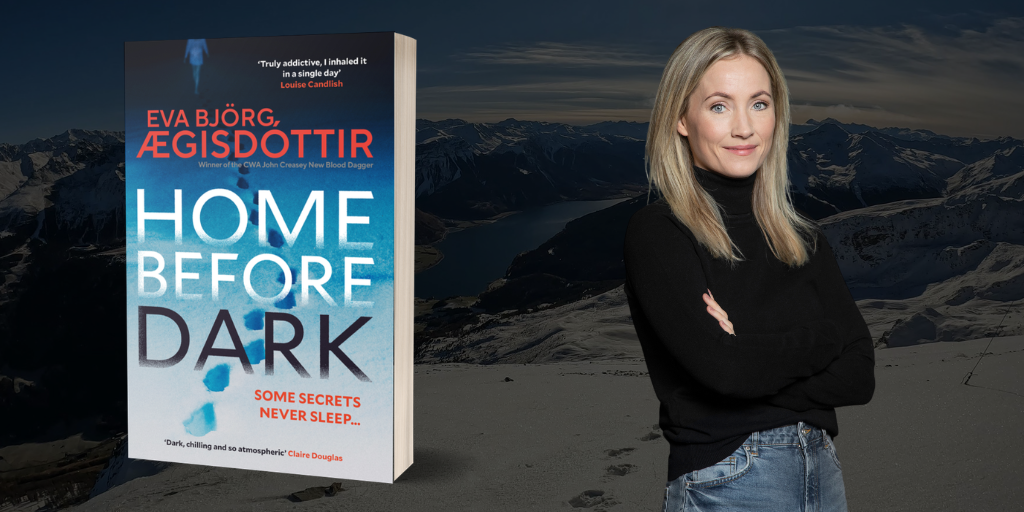
Eva Björg Ægisdóttir’s multi-award-winning psychological thriller, Home Before Dark, translated by Victoria Cribb, is published by Orenda Books and out in paperback today.