Posted on

My Five Favourite Gothic Novels – Stephanie Bramwell-Lawes

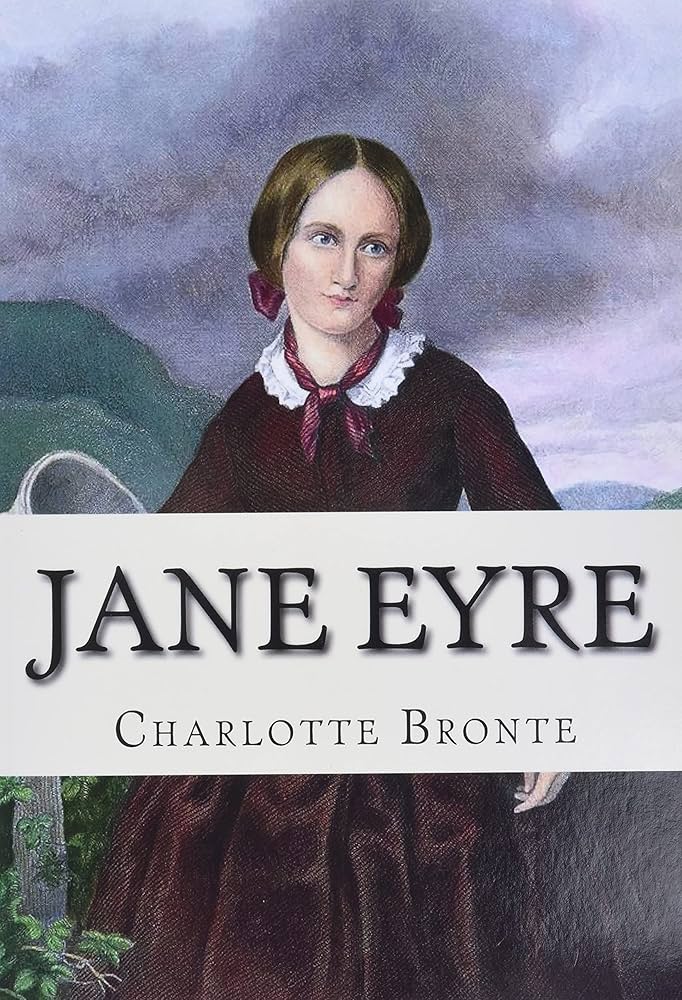
Jane Eyre, by Charlotte Brontë

It’s a tough call, but I think Jane Eyre just edges it as my favourite book of all time. As with so many of my favourite novels, it has an incredibly strong sense of place, with Thornfield Hall providing a dark, brooding backdrop to a tale of love, madness, and betrayal. As a protagonist, Jane was very much ahead of her time. She is independent, forthright and principled, and I defy anyone not to root for her!

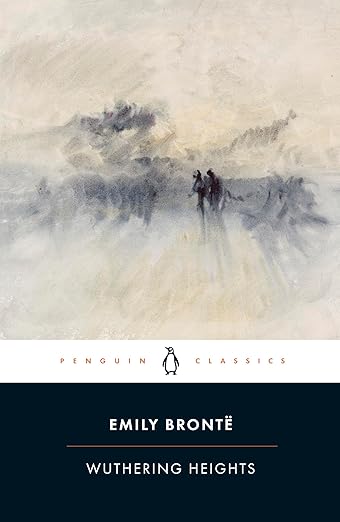
Wuthering Heights by Emily Brontë

I have read Wuthering Heights several times now, and each time I learn something new. I first read it as a teenager having been promised ‘the world’s greatest love story’, and I will never forget my outrage at Heathcliff’s behaviour! A Romantic hero, he was not! Nevertheless, I’ve gained new understanding from each reading, and I still can’t help but love this collection of flawed, passionate characters.

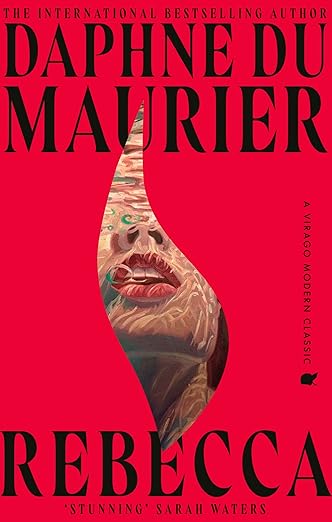
Rebecca by Daphne Du Maurier

Daphne du Maurier is one of my absolute favourite authors, and I have read almost everything she’s written.  Rebecca, her most famous novel, is right at the top of my list, and it had a profound impact on my own writing journey. From the infamous first line to the windswept clifftops of Manderley, it’s a gripping gothic treatise on class, obsession and the lengths people will go to for those they love. Its exploration of the ambiguity of human nature has always fascinated me.

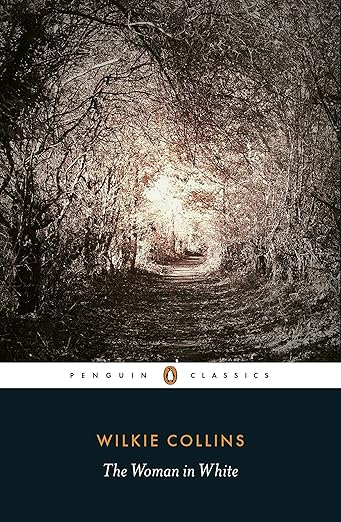
The Woman in White by Wilkie Collins

I could be wrong, but I’m always of the opinion that The Woman in White has never truly had the audience it deserves and isn’t shouted about enough! Its author Wilkie Collins was masterful in his creation of outspoken, energetic, intelligent female characters, and Marian Halcombe is an unsung hero. She is crawling around dark rooftops in the pouring rain eavesdropping on all and sundry – as well as any James Bond. The book also has a suitably Bond-esque villain in Count Fosco. I LOVE to see him get his comeuppance!

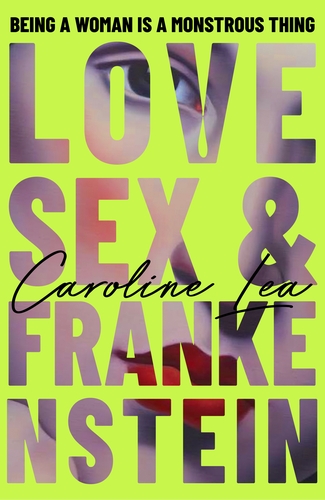
Love, Sex & Frankenstein by Caroline Lea

A tremendous, gothic exploration of female rage from Caroline Lea, which follows a young Mary Shelley as she journeys to Villa Diodati in 1816, where she would go on to write her masterpiece, Frankenstein. Among other things, what this book so brilliantly underscores is that Mary Shelley was just eighteen years old when she wrote the novel. To have such a complete, nuanced, tender understanding of what it is to be human – at that age – is absolutely confounding! With both Percy Shelley and Lord Byron in tow, this book is also a simmering cauldron of repressed desire. It NEEDS to be made into a film!

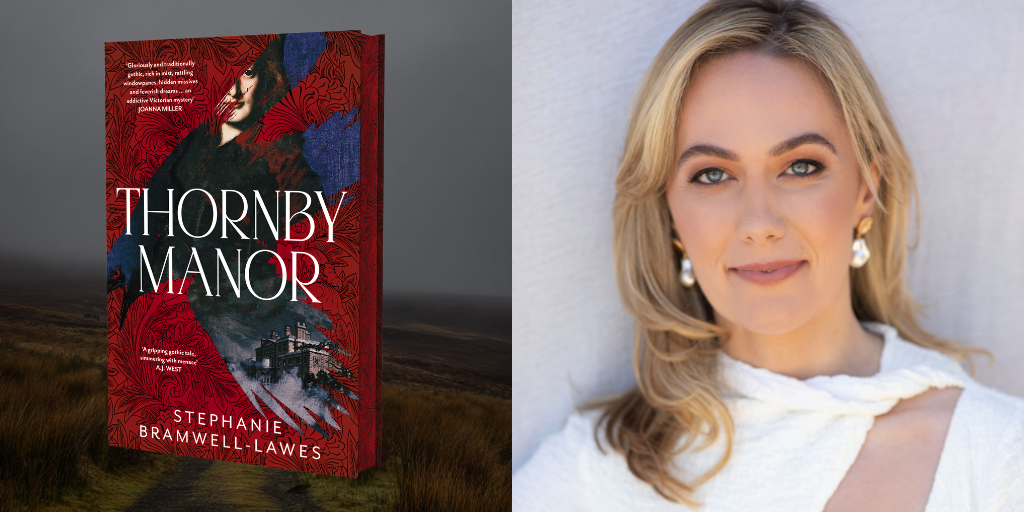
Stephanie Bramwell-Lawes’ spellbinding debut historical mystery, Thornby Manor, is published by Orenda Books on 23rd April 2026.

Posted on

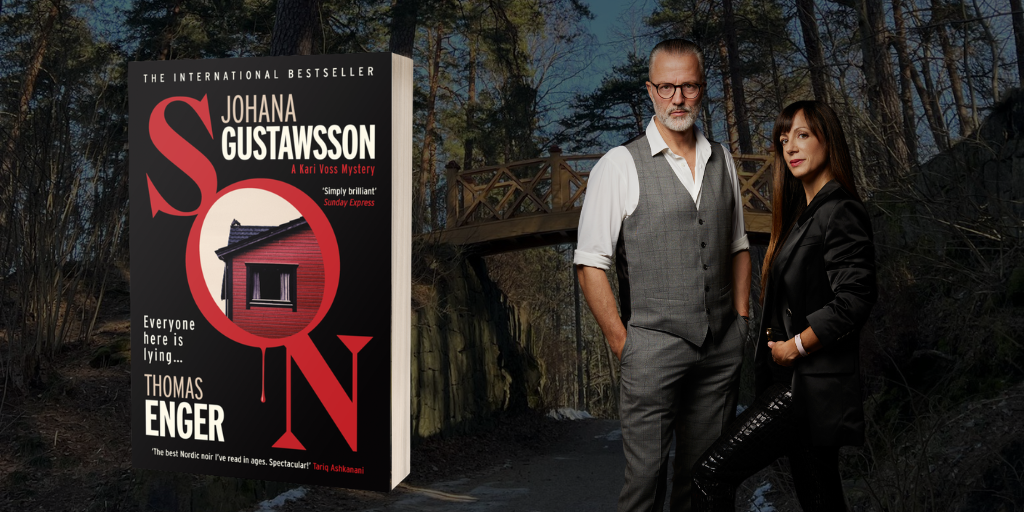
Thomas Enger describes the events that led up to his collaboration with Johana Gustawsson, and what has followed…

How has the process of writing a novel together been?

First of all, it’s been a lot of fun. It’s been a lot of work too, as it’s not very common for a French and Norwegian author to put their minds and pens together.

It all started during the pandemic, when Johana was living in London and I was based in Oslo. We knew each other because we were published by the same publisher in the UK/US (Orenda Books). A French colleague had asked Johana to reach out to me about participating in a noir fiction short-story collection in France, with the proceeds going to charity. Johana very kindly offered to edit and polish my father’s initial French translation (he taught French at a high school in Norway). While we were talking on the phone about various aspects and choices in that story, we realised very quickly that we had a unique creative energy when we talked about our craft. 

Ideas were sparking left, right and centre, every time we talked. At one point we thought: Why not see if we can write something together? After all, it was covid, and at the time we were both depressed out of our minds. This could become beacon of light, so to speak.

That’s when Johana told me about an idea for a character she’d been harbouring for a long time, a sort of memory and body-language expert. I loved the prospect of such a lead character, and once we gave her a name, we started plotting and doing research. In fact, we outlined the first three volumes of the Kari Voss series before even writing a single word of Son

We needed to know where we wanted to go with Kari. Johana did most of the research and wrote the Kari chapters, while I more or less took care of the rest. Having said that, we were always sending chapters back and forth, each of us adding or deleting sentences or paragraphs, meaning that in some parts of the book we’re not even sure ourselves who wrote what. Maybe that’s why it comes across as one voice.

There were some challenges to all of this, of course, the both of us writing in our own language first, then translating it to English so we could understand each other. At first we meant for this to be published in Norway, as Kari is Norwegian, but it became impossible for the both of us to take part in the editing process. In the end we decided to see if we could do it in English. Thankfully, our lovely common English publisher asked: ‘Can I please publish this?’ And Orenda Books led on the edits, then rights were sold across the world!

In short? It’s been a blast.

You’re both used to writing with great success and acclaim individually – what were the biggest advantages and challenges of writing in collaboration, and, more specifically, in collaboration with each other?

When you start a collaboration, in just about anything in life, you never really know how it’s actually going to work out. You don’t know whether it’s going to be as much fun after one month or seven as it was in the beginning. You don’t how your everyday life will play into it, either, especially when you live in two different countries and you don’t even share the same mother tongue. 

Johana has small children as well, while mine are grown up and out of the house. That means we live very different kinds of lives. Sometimes you’re dead tired. Sometimes you’re away for two weeks travelling. Sometimes you have to focus on solo projects. You need to be able to deal with all kinds of curve balls that life throws at you, while being on the same page, quite literally. You need to be able to handle criticism too.

Luckily for us, neither of us has big egos, and we both want the same thing, which is the best possible end product. And we share the same work ethic as well; we don’t mind the long hours or the sometimes endless rounds of rewriting. We know it’s part of the process and therefore completely necessary. We don’t care, either, about who had the idea for this or that or who clocked in the most hours.

In hindsight, the biggest challenge – without a doubt – was the language question in the initial stages. It took us a long time to realise how we needed to do this. Once that was determined, everything became so much easier.

One of the greatest assets of working together is the fact that we’re always two, whenever we write ourselves into a corner. There is a great chance that four eyes will see better than two, or that two brains will manage to come up with something smarter than just one. The creation of this universe is a good example of that; it was born from our imaginations colliding with each other.

 A good friend and colleague of ours, Jørn Lier Horst, said it well: If you go into a forest and you stumble upon an abandoned house that looks really scary, chances are better that you’ll venture inside if you’re two. You probably won’t if you’re alone. It’s a bit the same with writing. As a pair, we can afford to be more daring in our thoughts and ideas. Perhaps the initial idea isn’t perfect, but it might spark another one that will lead us in a direction neither of us would have thought of on our own.

Another huge advantage for us is the fact that we come from two different cultures. That means we will inevitably have different perspectives on various issues, which lays the foundation for a fruitful discussion. But, the biggest plus? It might just be achieving something together, like we have with Kari, who’s going to be published in over forty countries (and counting). It’s so much more fun to celebrate success with someone than on your own, isn’t it?

Did you agree on the storyline, themes and where you wanted the novel to go? And if you disagreed in the writing process, what did you do?

A: There are always discussions about ideas and if this way or that way is the right one going forward. But, touch wood, we’ve never argued, not once. That’s, in part, due to the fact that we have so much respect for each other, and each other’s opinion. If either of us has a bad feeling about something, chances are there’s a problem with that scene. We know each other so well now after working on Son that we can tell from each other’s voices whether we’re convinced about something or not.

With Son, we established what Johana refers to as a ‘skeleton’ of the book, a detailed chapter-by-chapter outline of the plot, before starting to write. After that we wrote chronologically, not moving onto the next until we were satisfied. 

The book is the first novel in the new series about Kari Voss, who’s a psychologist and expert on body language and memory, who therefore can detect lies – how do these abilities affect the dynamics of the story? And what inspired you to choose her characteristics and way of approaching investigations?

A: The initial idea was really to explore the theme of body language, but as Johana delved into her research, she came across the work of Dr Elizabeth Loftus, who is an expert on memory, often used as an expert witness in trials in America. It was really fascinating to dive into her science on how fallible our memory is. Our memories change every time we recall them, as if we alter the reality of the past just by thinking about it. It’s both fascinating, disturbing and ideal for storytelling: How can we determine what is true if our own memory is lying to us?

And, of course, adding that science to a person who’s more or less or real-time human lie-detector, and voila – you have a great crime-fiction character. We were really sure about that. 

From the onset, we were adamant that we didn’t want Kari to be a superwoman with superpowers. Yes, she had to be brilliant, of course, but we also wanted her to have flaws, like we all do. On the one hand, we wanted readers to like her, admire her, and to want to be like her to a certain extent as well, but also to identify with her on a human and personal level, in her fallibility. What we also thought would be very interesting was to give Kari a condition where her own body and brain shut down under extreme pressure and stress, causing her to lose consciousness and memory. It’s as if her own body is mocking her.

What do you hope to explore further in the series in the future? 

Oh, plenty of fun things. We couldn’t be more excited to continue the Kari Voss series. As mentioned, we have planned for three books to begin with. Let’s see where she takes us after that. Next, though, REMEMBER will be out in Spring 2027, and wait till you see what happens next…

Thomas Enger is co-author of SON, written with Johana Gustawsson, and published by Orenda Books.

Posted on

Creating a Hero – DI Ben Kitto

I was ready for a change when I began my Isles of Scilly mysteries. I’d spent eight years writing a series set in the crowded South London streets where I grew up. It had been a labour of love, but my imagination needed a break from the traffic-filled city streets, so I chose a radically different environment. I’d been visiting the Isles of Scilly since childhood, and had fallen for its pristine landscape, full of winding paths and uncluttered beaches, gleaming with mica.

The challenge I faced was how to bring a character to life that typified such an extraordinary landscape. I wanted, above all, to create a hero that the islanders themselves would accept as their own. So, I began my research, during a trip to St Mary’s in the spring of 2015. I spoke to people on all five of the inhabited islands, asking about the traits they observed in themselves and their fellow islanders. Two aspects kept on cropping up: resilience and a strong community spirit. It made perfect sense to me. You need a firm backbone to withstand the toughest of winters, when Atlantic storms pound the islands’ shores. And it’s never wise to isolate yourself in a small community, where almost everyone is connected. 

One story above all was instrumental in helping me shape Ben Kitto’s character. When I spoke to Peter Hicks, the lifeboat coxswain on St Mary’s, he told me about one of the RNLI volunteers. There had been a terrible storm the previous winter, and the lifeboat had sailed out to save a stricken fishing boat, which needed towing back to harbour. One young man volunteered to jump aboard the trawler in a raging sea. He fell between the two vessels and sustained life-changing injuries. He spent months in hospital, learning to walk again, yet his determination to remain a lifeboatman never wavered. By the following autumn, he was back on duty, despite being fitted with an artificial foot.

I knew that my character needed the same kind of unshowy heroism, and be programmed to help others, whatever the risk. He took shape the moment I named him Benesek, which means blessing, or good will, in Cornish. I wanted him to possess a bone-deep desire to support his community, which I witnessed right across the islands. But he needed flaws too, so I made him shy, especially with women, and prone to obsess over issues that bother him.

Ben Kitto’s personal history needed to parallel the islands themselves. Scilly’s fate has always been inextricably tied to the sea, from the days when Irish pilgrims sailed over, to establish religious communities, through centuries of smuggling, to the fishing industry which endures today. So I made his father a trawlerman who had drowned when Ben was fourteen, and his uncle Ray a master boatbuilder, on the island of Bryher.

Socialising matters in Scilly too, with each of the islands having at least one pub, even though some have less than a hundred permanent residents. Much of Ben’s back story has been shaped by the Rock pub on Bryher, which is run by his godmother Maggie Nancarrow. I know from experience that the pub matters in winter, after getting stranded on Bryher for a week, when storms became too fierce to fly back to the mainland. The majority of islanders battled through strong winds and rain to reach the pub’s warmth, to gossip, or play chess by the log fire. I wanted Ben’s childhood memories to have been shaped by spending many evenings crammed shoulder to shoulder with the other islanders, until they became like relatives.

I took a risk in using real places in all the books, so Ben Kitto would find himself dealing with familiar buildings and people, when he investigates crimes. But I wanted to give him a degree of objectivity too. Many people leave Scilly to go to university or work on the mainland, but plenty return to raise their children there. Ben Kitto’s experience of spending ten years in London, is typical, only to find himself longing for the islands when he hit thirty.

I gave myself a significant challenge when I decided to narrate all the books from Ben’s perspective, first person, as if each story is unfolding in present time. Ben is a colossal six feet six inches tall. So, as well as imagining a male perspective, I had to get used to a totally different physique, which turned out to be fun! I made him a typical islander, keen on wild swimming, and outdoor sports. But we share a passion for watching the landscape. I gave him my favourite walk, to the brow of Gweal Hill on Bryher, to watch nesting kittiwakes and the vast Atlantic stretching almost to infinity, studded with charcoal grey islands, thrown down like pebbles.

I suppose the true test of whether or not a community accepts a fictional character is whether or not they read the stories. I was thrilled to get a message from Mumford’s shop on St Mary’s recently, to let me know that each of the books always sells out on the day it hits the shelves, which helped me breathe a sigh of relief. After eight years spent writing about Ben Kitto and a range of characters, most of whom are based on real people, I’m relieved that the islanders have taken him to their hearts.

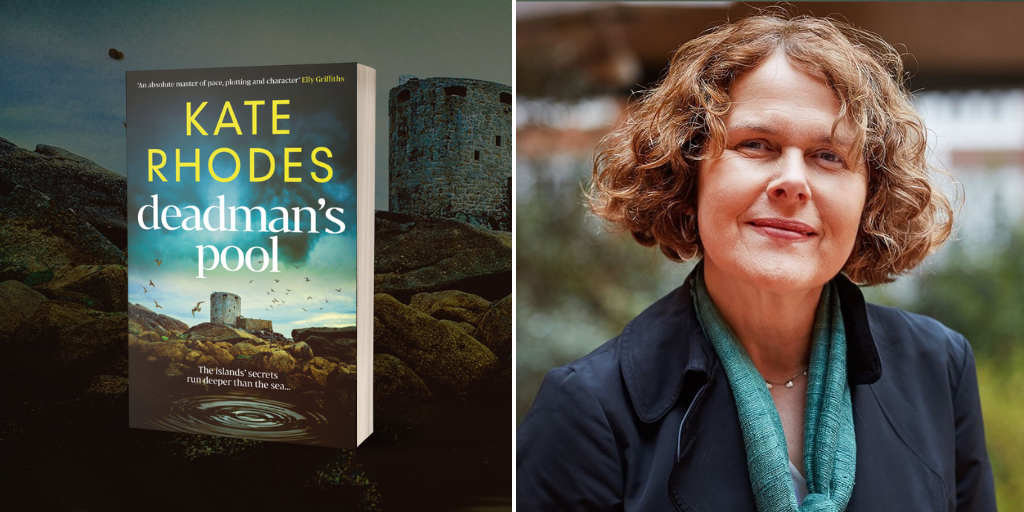
Kate Rhodes is the bestselling author Deadman’s Pool, book eight in the Isles of Scilly series, featuring DI Ben Kitto, published by Orenda Books.
Posted on

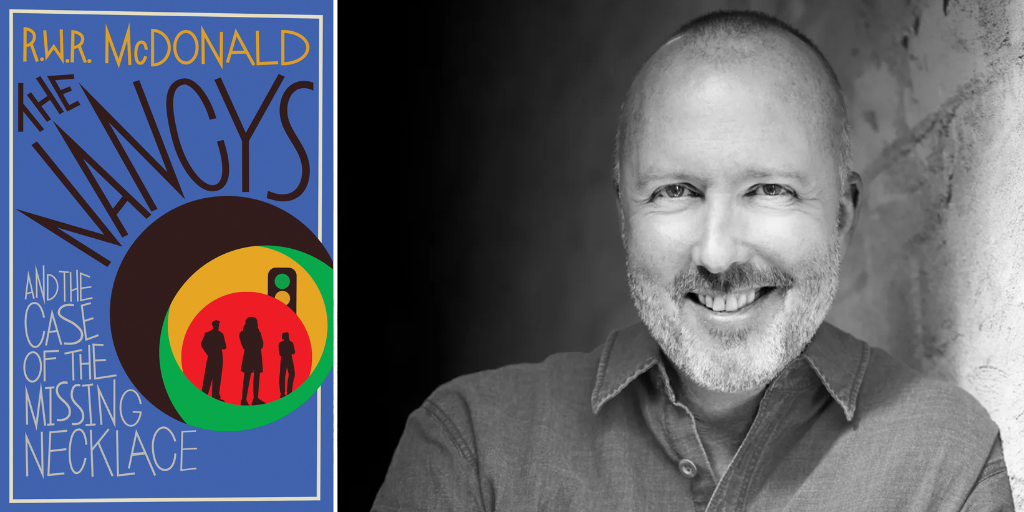
Orenda Books signs RWR McDonald’s gripping, glorious debut mystery, The Nancys and the Case of the Missing Necklace

Karen Sullivan, publisher of Orenda Books, is delighted to announce the acquisition of World English Language rights ex ANZ for RWR (Rob) McDonald’s debut mystery, The Nancys and the Case of the Missing Necklace, in a two-book deal negotiated with Craig Sisterson.

Eleven-year-old Tippy Chan is thrilled when her uncle Pike returns to her quiet New Zealand town with his boyfriend Devon to look after her while her mum is away on a Christmas cruise. An avid fan of her uncle’s old Nancy Drew books, Tippy is desperate for a real mystery – and when her teacher is found dead beside Riverstone’s only traffic light, she finally gets her chance. Teaming up with Pike and Devon, she forms a secret detective club, The Nancys, and sets out to uncover the truth. What begins as a bonding and sightseeing adventure quickly turns dangerous: a wrongful arrest, a close encounter with the killer, and Tippy’s mother intervening all raise the stakes. Undeterred, The Nancys must use their wits and courage to stop the murderer before they strike again – whatever the cost.

Karen says, ‘Gripping, gloriously camp, immensely moving, and at times unbearably tense, The Nancys and the Case of the Missing Necklace is a funny, often heartbreaking debut that balances a simmering mystery with laugh-out-loud moments and poignant relationships, all set in small-town New Zealand. Tippy, Uncle Pike and his boyfriend Devon are divine creations, and readers will fall for their charm immediately as the trio navigates chaotic investigations that carry real jeopardy – coached throughout in masterful innuendo, clever side-stories and warm-hearted humour.

‘Originally published as The Nancys in ANZ, winner of the Ngaio Marsh Award for Best First Novel and shortlisted for a Ned Kelly Award, The Nancys and the Case of the Missing Necklace has been transformed to heighten the Nancy Drew connection, recrafted to deliver even more tension and momentum, and now features a brand-new prologue – ensuring Tippy’s adventures sparkle with heart, peril and laugh-out-loud fun. We’ll be celebrating with Nancys tote bags for booksellers and a glittering Christmas marketing campaign.

‘Brimming with exuberance but also meaningful themes that add an extra layer of emotional depth, this is the perfect book for darkening nights, and with a delicious second book in the series scheduled for 2026 – and the promise of more to come – we are genuinely thrilled to bring this book and wonderful author to Orenda.’

Rob McDonald says, ‘From Riverstone, New Zealand (population 3,687) to the world, it feels like something out of one of Nancy Drew’s wildest cases! I’m stoked that The Nancys has found a home with Orenda Books, and I love that the multitasking mystery club is now sleuthing its way into the hands and hearts of readers in the UK and North America. Kia kaha, Tippy, Uncle Pike and Devon; Category is Nancy Drew realness.’

Craig Sisterson says, ‘Delightful, charming, raucous, heartfelt, exuberant; not descriptors I commonly – or ever – turned to in more than 15 years of reviewing and judging many hundreds of crime novels, but they were top of mind after I first tore through RWR McDonald’s terrific debut, a refreshing and utterly unique tale in our wonderful crime and thriller genre. 

‘There’s just a real je ne sais quoi to this marvellous tale of an unlikely investigative trio: 11-year-old Tippy Chan, her visiting uncle Pike (who could body double for Santa Claus), and his fashionista boyfriend Devon, all banding together to battle Tippy’s grief at the death of her father by solving mysteries in Riverstone. Delightful, yet not lightweight, it also explores serious issues of grief and belonging. I’m so stoked that the brilliant team at Orenda Books is bringing this award-winning Kiwi crime tale to a northern hemisphere audience, so readers over here can experience what I and many antipodeans felt when we first read RWR McDonald’s superb tale of lovably unruly characters and chaotic events, dark deeds in a small town, perfectly seasoned with humour and heart.’

RWR McDonald’s The Nancys and the Case of the Missing Necklace is published on 20th November, by Orenda Books.

Posted on

My Five All-Time Favourite Books by Olivier Norek

I’m not drawn to any genre in particular, but rather to certain writers and their style. That’s why my bookshelves are so eclectic that it looks like someone put the books there at random, with no logic or order.

For now, here’s a selection of five of my favourite books today. Yesterday my choices would have been different, and tomorrow they will be different again.

The Boy with the Cuckoo-Clock Heart by Mathias Malzieu

Imagine a boy with a clock for a heart; a delicate clock which can’t deal with emotions without risking malfunction or complete breakdown. What would happen if this boy fell in love – truly, madly, deeply? How many more minutes could that clock keep ticking? This is a fantastic tale, and yet it tells nothing but the truth. Malzieu’s writing is poetic, funny and sensitive.

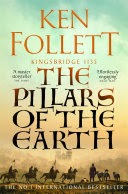
The Pillars of the Earth by Ken Follett
Or: the power of a writing style. In other words, the construction of a cathedral over multiple generations isn’t very interesting to me in itself, but the quality and the power of Ken Follett’s writing keeps you captivated in his story and you want to read to the end, trembling along with the builders, waiting to see the final stone set in place, the final word written.

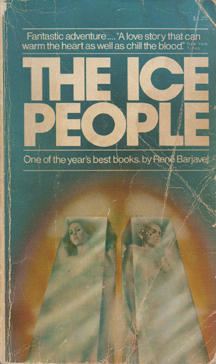
The Ice People by René Barjavel

A book with a story so incredible and so wide-ranging that no film director has yet had the courage to take it on. Imagine that the traces of a civilisation pre-dating ours were discovered on Earth. The chance to see how a civilisation is born, lives and dies, how it could give us the intellectual tools we need to avoid the same mistakes. And we see how, despite all the warnings, we keep repeating the same errors. On top of that, it has the best plot twist of all time!

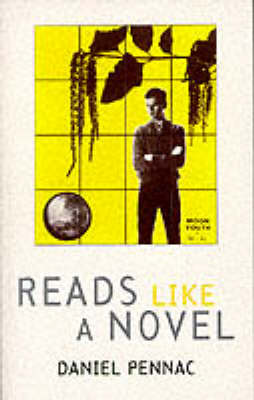
Reads Like a Novel by Daniel Pennac

This is not a novel, but a book to make you love novels – to remind you what a big part reading should play in our lives, because it makes them richer and more beautiful. And Daniel Pennac also reminds us of the inalienable rights of the reader which topple literature off its pedestal and, in doing so, give it back to humanity: “The right not to read. The right to skip. The right not to finish a book. The right to read it again. The right to read anything. The right to mistake a book for real life (in French, ‘le bovarysme’, named after the titular character of Madame Bovary). The right to read anywhere. The right to read out loud.”

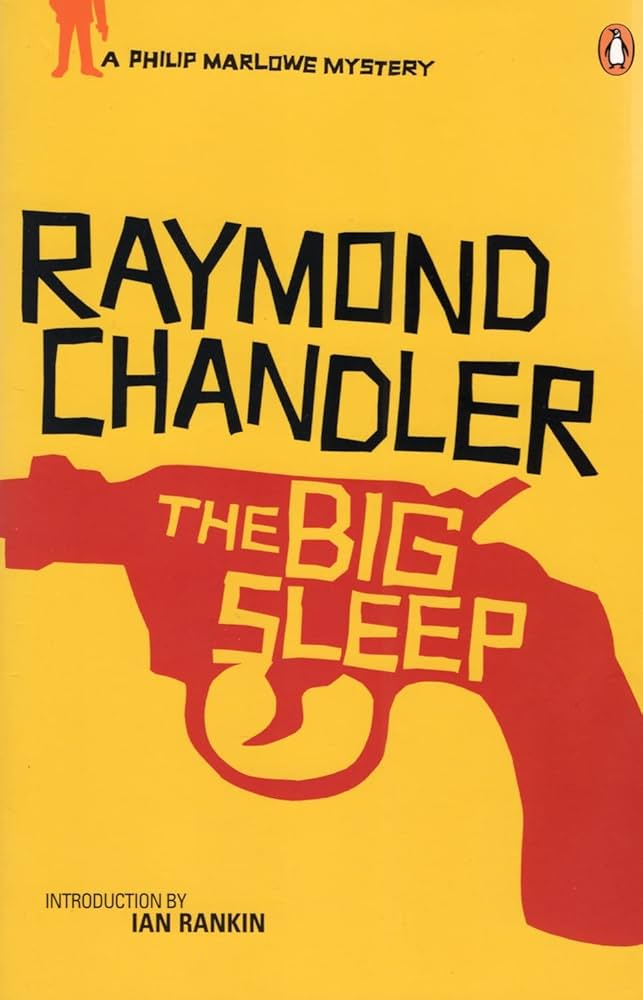
The Big Sleep by Raymond Chandler
Chandler’s private detective Philip Marlowe is one of my favourite heroes. He’s a hero who knows, however, that this investigation (whichever one it is) will only bring him trouble at best. Fistfights are likely, and gunshots are inevitable. Marlowe knows all this, and he also knows that he lost all faith in humanity a long time ago. But he always says yes to the lost souls who walk into his office anyway. In the heart of darkness, there are people who could redeem the entire human race. You can smell the cigarettes, the cold coffee, the whiskey, the crumpled clothes from sleepless nights and arguments … Perfection!

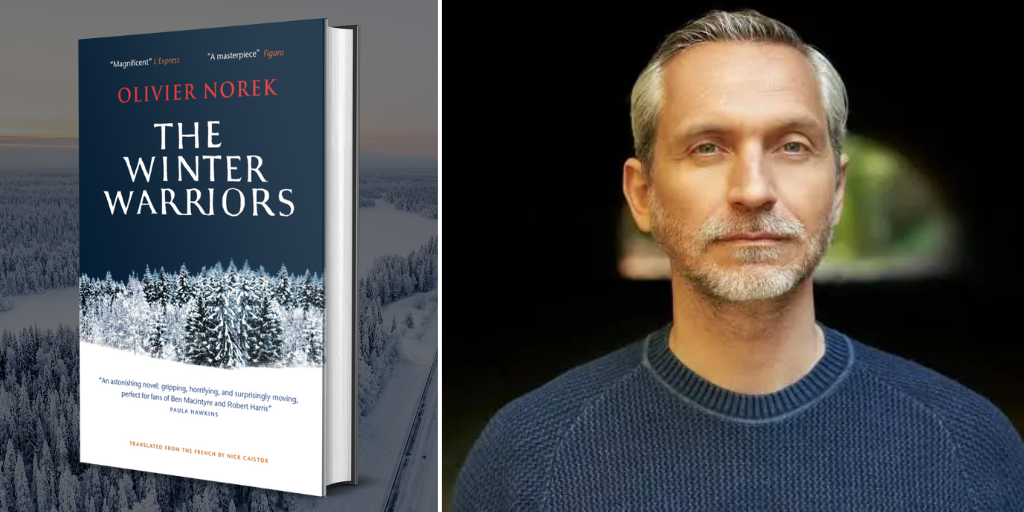
Olivier Norek is the author of The Winter Warriors, translated from the French by Nick Caistor, and published by Open Borders Press, an imprint of Orenda Books.

Posted on

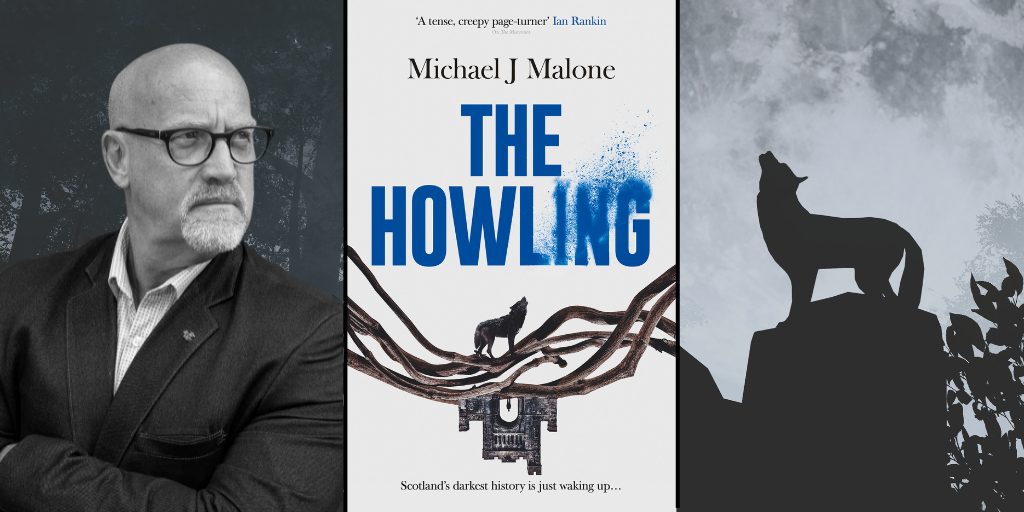
Wolves and Werewolves in Fiction – My Top Favourite Reads by Michael J. Malone

The Howling is the third book in the Annie Jackson Mystery series … and sees Annie once again thrust into danger. This time she’s been tempted out of seclusion by an old foe – with the promise that if she finds a child this person was forced to abandon at birth, they will help Annie end the curse that blights her life once and for all. 

The boy, now a man, dreamed of being a wolf – dreams linked to another boy centuries ago who was burned at the stake for succumbing to his wolfen urges.

The Howling is not a werewolf novel as such – but the human/wolf connection is an enduring fictional trope – and what’s not to love? In no particular order, here are some examples of this fictional device …

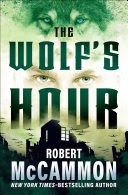
The Wolf’s Hour by Robert McCammon

First published in 1989, The Wolf’s Hour combines history, folklore, and myth. McCammon’s hero is Michael Gallatin, who was born into the Russian aristocracy, but was changed and raised by a pack of werewolves. Offering his ‘talents’ to the Allied cause, Michael becomes a secret weapon aimed at the destruction of Hitler and his Thousand Year Reich. This book manages to be both a historical thriller and a brilliant re-imagining of the traditional werewolf tale, by a superb author who has been criminally overlooked in recent times.

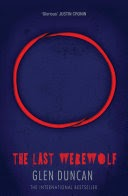
The Last Werewolf by Glen Duncan (Part one of Last Werewolf Trilogy)

For two centuries Jacob Marlowe has wandered the world, enslaved by his lunatic appetites and tormented by the memory of his first and most monstrous crime. Now, the last of his kind, he knows he can’t go on. But as Jake counts down to his demise, a violent murder and an extraordinary meeting plunge him straight back into the desperate pursuit of life.

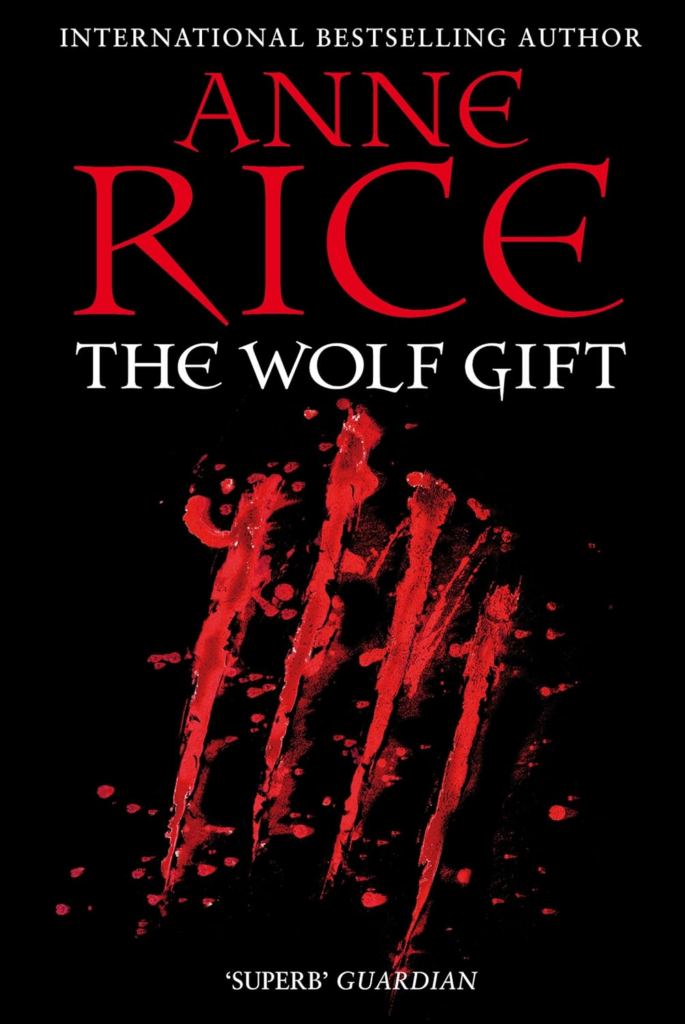
The Wolf’s Gift by Anne Rice

“Anne Rice reinvented the vampire legend. Discover what she’s done with the werewolf myth.”
After a brutal attack, journalist Reuben Goulding finds himself changing. His hair is longer, his skin is more sensitive and he can hear things he never could before. Now he must confront the beast within him or lose himself completely. He flees the authorities, DNA analysts and the media, while trying to unpick the mystery of the mansion where he was attacked and turned into a werewolf.

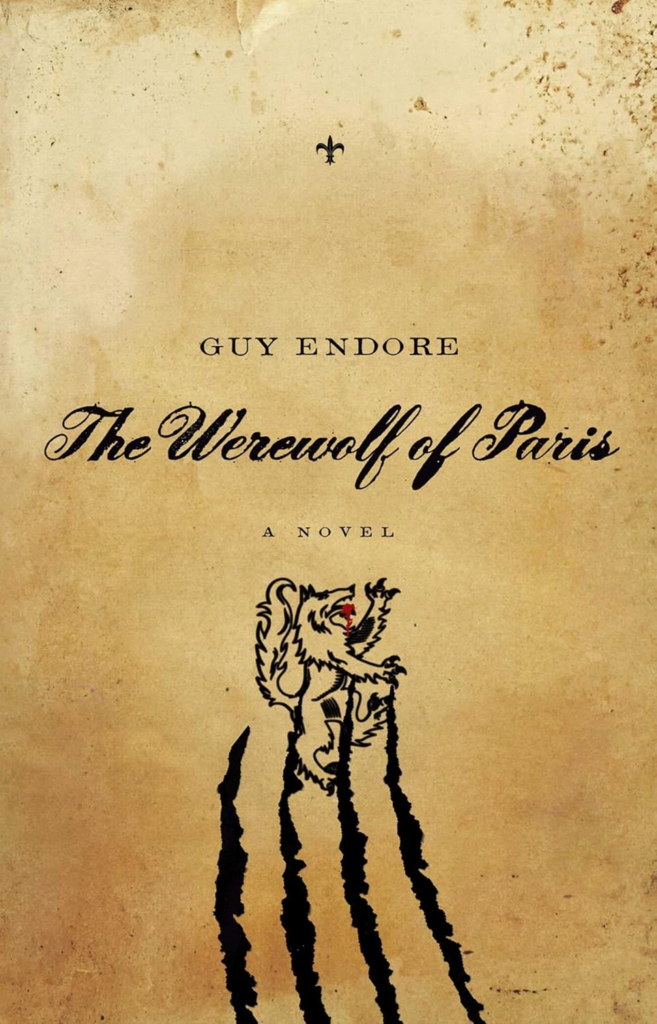
The Werewolf of Paris by Guy Endore 

A horror novel as well as a work of historical fiction, The Werewolf of Paris follows Bertrand Caillet, the eponymous werewolf, throughout the tumultuous events of the Franco-Prussian War and the Paris Commune of 1870–71. Some literature experts have compared this book with Dracula by Bram Stoker, identifying it as the Dracula of werewolf fiction. Apparently, inspiration for the novel came from the true story of the French general, Francois Bertrand –  the infamous ‘necrophilic sergeant’ or ‘the vampire of Montparnasse’. Between 1848 and 1849, Bertrand experienced so-called brutal fits that led to acts of necrophilia and cannibalism in several French cemeteries. 

What do you think? Are there other werewolf novels that you’ve read and loved and would like to share with the world?

Michael J. Malone is the author of The Howling, the third book in the Annie Jackson Mysteries series, which include The Murmurs and The Torments, published by Orenda Books.
Posted on

June 2025 Kindle Monthly Deals

UK Kindle Monthly Deals

All of the below titles are under £1.50 for the month of June. Click the images to get your copies now!

US Kindle Monthly Deals

All of the below titles are 99c for the month of June. Click on the images to get your copies now.

Posted on

Fellow Creatures – Marcel Haenen

“Fellow Creatures” is the first Penguin Blog written for Open Borders Press by Marcel Haenen, author of Penguins and People. Marcel has travelled the world to reconstruct the story of humanity’s relationship with penguins, consulting experts and meeting penguins around the globe. Penguins and People is not only a love letter to the world’s favourite flightless bird, but also an urgent call to action in the face of a collapsing climate. The book will be out in April 2026. Today, April 25, is World Penguin Day, and also marks twelve months until the publication of Penguins and People.

Fellow Creatures
Marcel Haenen

Most explorers who come across penguins for the first time are instantly captivated by the flightless bird. Penguins are second to none in beauty and manners. They are fearless as well as endearingly vulnerable, according to the travel journals of the seafarers surveying the cold bottom part of the Earth from the 1900s.

Some even speak of a shared, mutual affection. People find penguins charming not only because they are moved by the bird’s human-like features. The penguin, too, is said to harbor warm feelings for their larger, ungainly, earthly companions.
The American paleontologist George Gaylord Simpson notes that penguins typically display curiosity rather than fear when they encounter humans. “Penguins acquainted with humans seem to accept us as only another quaint and somewhat clumsy kind of penguin, just as we tend to think of penguins as quaint and somewhat clumsy humans,” he writes in Penguins (1976).

In The Great White South (1921), Herbert Ponting, the English photographer who documented Robert Falcon Scott’s Terra Nova Expedition to the South Pole (1910-1913), devotes a special chapter to the remarkable birds of Antarctica. It’s titled “The Real Inhabitants”. He describes the first emperor penguin he comes across as “a majesty”. The roughly 115-centimetre-tall emperor – the largest of the eighteen different penguin species – behaves like royalty.

Ponting is deeply impressed by the way the emperor penguins welcome the visitors from England. “The polished gentleman of the eternal snows bowed his head in greeting with a grace that a courtier might envy. He delivered a short speech in penguin language, to which we endeavoured to make appropriate replies.”

Like Simpson, Ponting is convinced that the penguins regard humans as “fellow creatures” – though considerably less graceful ones. “He must have thought us a set of dull-witted churls, as we stood there like yokels, in comparison with his perfect self-possession and faultless manners, making silly attempts to imitate him.”

Penguins colour the planet. “The Antarctic would be a dull place if indeed were it not for the penguins,” Scottish biologist James Murray writes in Antarctic Days, published in 1913. He recounts his experience as a crew member during the expedition to the South Pole region, carried out from 1907 to 1909 under the leadership of Irish polar explorer Ernest Shackleton aboard the ship Nimrod. Murray describes the largest of the penguins, the emperor penguin, as “the most curious, mysterious, humanlike beasts.”

The Scotsman expresses concern over the penguins’ innocence as they go about their ways. He is astonished by the naivety with which the bird approaches human visitors. “I have not seen him angry or excited. Whatever is done to him he looks at you with the same mild, inscrutable eye,” Murray notes. Penguins are too gentle, unsuspecting. “The bird gives the impression that he belongs to a civilization so much superior to ours that he cannot conceive that anything on two legs would hurt him. He is wrong.”

Posted on

Firelight stories, stolen plots, Venice and vampires … The inspiration for Dangerous by Essie Fox

Firelight stories, stolen plots, Venice and vampires…

The inspiration for Dangerous

Essie Fox

It was never my intention to write a novel about Lord Byron. At the outset, my interest had been to try and find a way to create a vampire novel. But, where to start in a genre that’s been more-or-less sucked dry? How could I be original?

I began by researching the more recent Anne Rice novels, and then early literature, such as Le Fanu’s Carmilla, Bram Stoker’s Dracula, and Edgar Allen Poe who, whilst not being explicit in his references to vampires, does delve deeply into themes of love enduring beyond death. Finally, I stumbled on a novella first published in 1819, which I had read some years before without being aware of the story’s origin. 

The Vampyre, by John Polidori, features a charismatic but mysterious aristocrat by the name of Lord Ruthven. Ruthven frequents the London salons where he seduces young women before they’re wickedly discarded. He then travels abroad with a companion called Aubrey, who learns the truth of Ruthven’s nature when a lovely girl is attacked in Greece and left to die with a wound to her throat. After this, Ruthven is injured by some bandits on a road, and while he’s dying, he asks Aubrey to promise not to mention his name for a year and a day. Aubrey keeps this promise and then travels back to London where he is shocked to discover Ruthven very much alive, and also married to his sister … a sister Aubrey cannot save for by the time he arrives, she is dead, her fate having been to glut ‘the thirst of a Vampyre!

It is no coincidence that a character called Ruthven first appeared three years before, in the pages of Glenarvon, a ‘fuck and publish’ novel by Lady Caroline Lamb, who wrote it as revenge, at the end of an affair with the infamous Lord Byron. Caro also coined the term ‘mad, bad, and dangerous to know,‘ when describing her dark lord. 

Indeed, this warning of danger proved to be true for Polidori who, at the age of just nineteen, had qualified as a doctor and was employed to join the poet on his European travels, after a series of scandals, debts, and marital woes led to Byron being voluntarily exiled. As Byron’s personal physician, Polidori was present at the Villa Diodati on the shores of Lake Geneva, where Byron lived during the summer when Mount Tambora erupted, when the ashy atmosphere caused unusually wet weather, sometimes with days as dark as night. 

During this time, Byron was visited by the poet Percy Shelley, along with Mary Godwin Wollstonecraft, and her stepsister, Claire Clairmont. Often forced to stay inside, the group amused themselves by reading from a fantasmagoria – a book of stories of ‘the dead’ translated into French from the original German. These eerie supernatural stories encouraged Byron to challenge his guests to produce some horror stories of their own, and as the fire hissed and crackled, and wine and opiates were sipped, Mary Shelley nursed the seed of her novel, Frankenstein, while Byron started to compose the story of vampire. 

Mary’s idea went on to form a classic novel, but Byron soon grew bored and dismissed his attempt as being foolish and worthless. However, his discarded ‘fragment’ of prose was saved by Polidori, who nurtured literary ambitions and used that single scribbled page to inspire his own creation. The Vampyre came out three years later, by which time Polidori and Byron were estranged due to the young physician’s tendency to churlish tempers. Perhaps he also held a grudge because, much like Caro Lamb, Polidori’s novel was a work of revenge, with the vampyre of the title clearly based on the life and the character of Byron. However, any sense of pride that Polidori might have felt in the achievement of his work was destined to be short lived, for when his story was published, his name did not appear as the author of the work. It was credited to Byron, which the publishers knew would lead to greater sales than something penned by an unknown. 

When Byron heard of the fraud he was enraged and asked his publisher to sue Polidori’s publisher. Polidori was dismayed to be accused of lying and plagiarising Byron’s work. No doubt it was this shame, along with other disappointments, that caused the troubled doctor to commit suicide at the age of twenty-five – never living long enough to see his name upon his book, and never knowing that the novel would endure and become a classic of the vampire genre. 

Learning of this sorry tale, I was, all at once, inspired with the plot for my own novel. It would not be in the mould of the usual vampire novel, but a murder mystery set during Byron’s time in Venice. Taking the factual truths of The Vampyre’s publication, I then embellished those events into the fiction of my work. As Byron spent his time in Venice pursuing sexual pleasures, and as his poetry quite often alluded to his personal exploits, it was not such a leap to imagine a whispering campaign being spread among the Venetian upper classes, who hear of women Byron’s known being found dead with wounds to their throats and then suspect that The Vampyre is a brazen confession of the most audacious crimes. 

By referencing certain sections from the pages The Vampyre, along with excerpts I have taken from Byron’s own poetry, and details of vampiric myth from ancient European sources, Dangerous is a crime novel embroidered heavily with themes of supernatural mystery. But it is also – I hope – a book that spirits into life the characters of the two men forever destined to be linked by their connection with the scandal and the lies that first surrounded Polidori’s horror novel.

Dangerous, by Essie Fox, is published on 24th April 2025, by Orenda Books.