





Firelight stories, stolen plots, Venice and vampires…
The inspiration for Dangerous
Essie Fox
It was never my intention to write a novel about Lord Byron. At the outset, my interest had been to try and find a way to create a vampire novel. But, where to start in a genre that’s been more-or-less sucked dry? How could I be original?
I began by researching the more recent Anne Rice novels, and then early literature, such as Le Fanu’s Carmilla, Bram Stoker’s Dracula, and Edgar Allen Poe who, whilst not being explicit in his references to vampires, does delve deeply into themes of love enduring beyond death. Finally, I stumbled on a novella first published in 1819, which I had read some years before without being aware of the story’s origin.
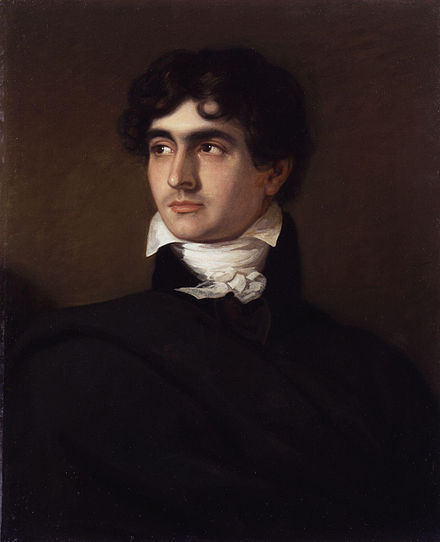
The Vampyre, by John Polidori, features a charismatic but mysterious aristocrat by the name of Lord Ruthven. Ruthven frequents the London salons where he seduces young women before they’re wickedly discarded. He then travels abroad with a companion called Aubrey, who learns the truth of Ruthven’s nature when a lovely girl is attacked in Greece and left to die with a wound to her throat. After this, Ruthven is injured by some bandits on a road, and while he’s dying, he asks Aubrey to promise not to mention his name for a year and a day. Aubrey keeps this promise and then travels back to London where he is shocked to discover Ruthven very much alive, and also married to his sister … a sister Aubrey cannot save for by the time he arrives, she is dead, her fate having been to glut ‘the thirst of a Vampyre! ‘
It is no coincidence that a character called Ruthven first appeared three years before, in the pages of Glenarvon, a ‘fuck and publish’ novel by Lady Caroline Lamb, who wrote it as revenge, at the end of an affair with the infamous Lord Byron. Caro also coined the term ‘mad, bad, and dangerous to know,‘ when describing her dark lord.
Indeed, this warning of danger proved to be true for Polidori who, at the age of just nineteen, had qualified as a doctor and was employed to join the poet on his European travels, after a series of scandals, debts, and marital woes led to Byron being voluntarily exiled. As Byron’s personal physician, Polidori was present at the Villa Diodati on the shores of Lake Geneva, where Byron lived during the summer when Mount Tambora erupted, when the ashy atmosphere caused unusually wet weather, sometimes with days as dark as night.
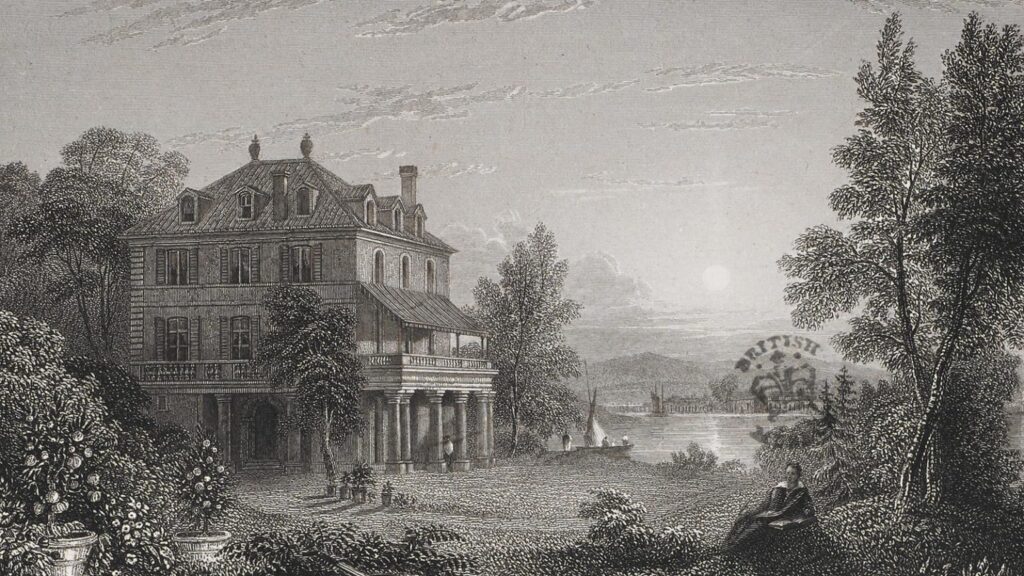
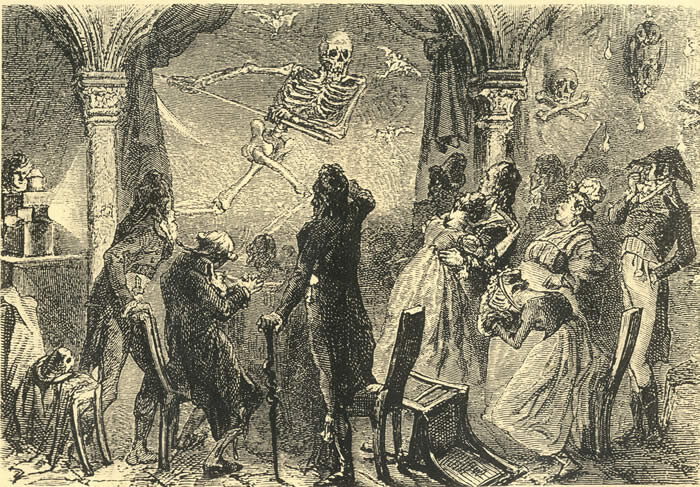
During this time, Byron was visited by the poet Percy Shelley, along with Mary Godwin Wollstonecraft, and her stepsister, Claire Clairmont. Often forced to stay inside, the group amused themselves by reading from a fantasmagoria – a book of stories of ‘the dead’ translated into French from the original German. These eerie supernatural stories encouraged Byron to challenge his guests to produce some horror stories of their own, and as the fire hissed and crackled, and wine and opiates were sipped, Mary Shelley nursed the seed of her novel, Frankenstein, while Byron started to compose the story of vampire.
Mary’s idea went on to form a classic novel, but Byron soon grew bored and dismissed his attempt as being foolish and worthless. However, his discarded ‘fragment’ of prose was saved by Polidori, who nurtured literary ambitions and used that single scribbled page to inspire his own creation. The Vampyre came out three years later, by which time Polidori and Byron were estranged due to the young physician’s tendency to churlish tempers. Perhaps he also held a grudge because, much like Caro Lamb, Polidori’s novel was a work of revenge, with the vampyre of the title clearly based on the life and the character of Byron. However, any sense of pride that Polidori might have felt in the achievement of his work was destined to be short lived, for when his story was published, his name did not appear as the author of the work. It was credited to Byron, which the publishers knew would lead to greater sales than something penned by an unknown.
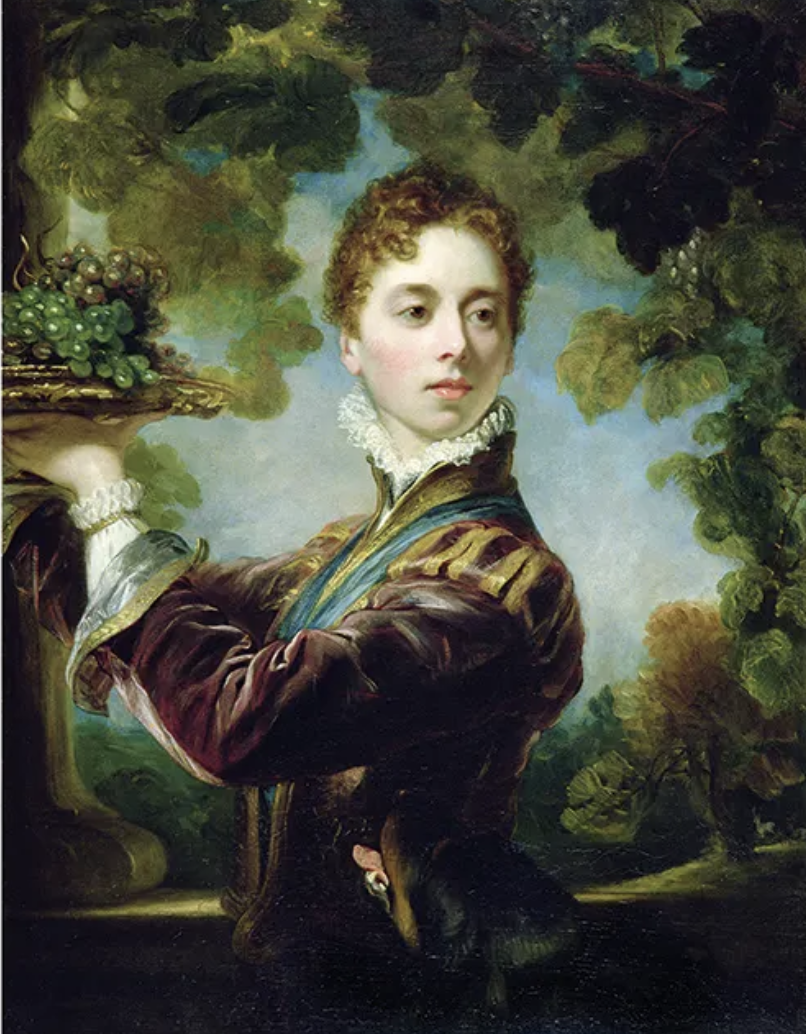
When Byron heard of the fraud he was enraged and asked his publisher to sue Polidori’s publisher. Polidori was dismayed to be accused of lying and plagiarising Byron’s work. No doubt it was this shame, along with other disappointments, that caused the troubled doctor to commit suicide at the age of twenty-five – never living long enough to see his name upon his book, and never knowing that the novel would endure and become a classic of the vampire genre.
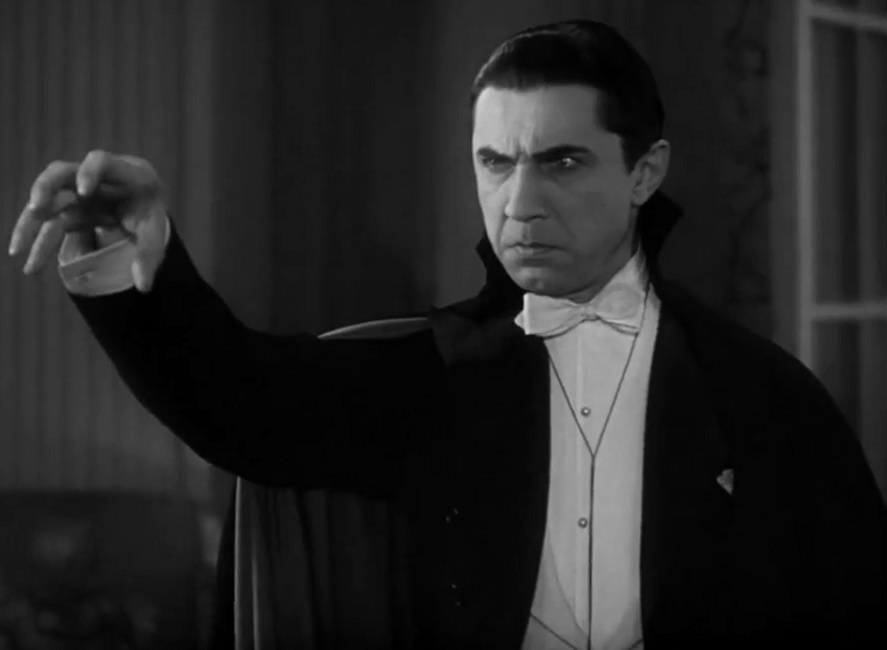
Learning of this sorry tale, I was, all at once, inspired with the plot for my own novel. It would not be in the mould of the usual vampire novel, but a murder mystery set during Byron’s time in Venice. Taking the factual truths of The Vampyre’s publication, I then embellished those events into the fiction of my work. As Byron spent his time in Venice pursuing sexual pleasures, and as his poetry quite often alluded to his personal exploits, it was not such a leap to imagine a whispering campaign being spread among the Venetian upper classes, who hear of women Byron’s known being found dead with wounds to their throats and then suspect that The Vampyre is a brazen confession of the most audacious crimes.
By referencing certain sections from the pages The Vampyre, along with excerpts I have taken from Byron’s own poetry, and details of vampiric myth from ancient European sources, Dangerous is a crime novel embroidered heavily with themes of supernatural mystery. But it is also – I hope – a book that spirits into life the characters of the two men forever destined to be linked by their connection with the scandal and the lies that first surrounded Polidori’s horror novel.
Dangerous, by Essie Fox, is published on 24th April 2025, by Orenda Books.


