





Antti Tuomainen introduces his latest novel The Beaver Theory
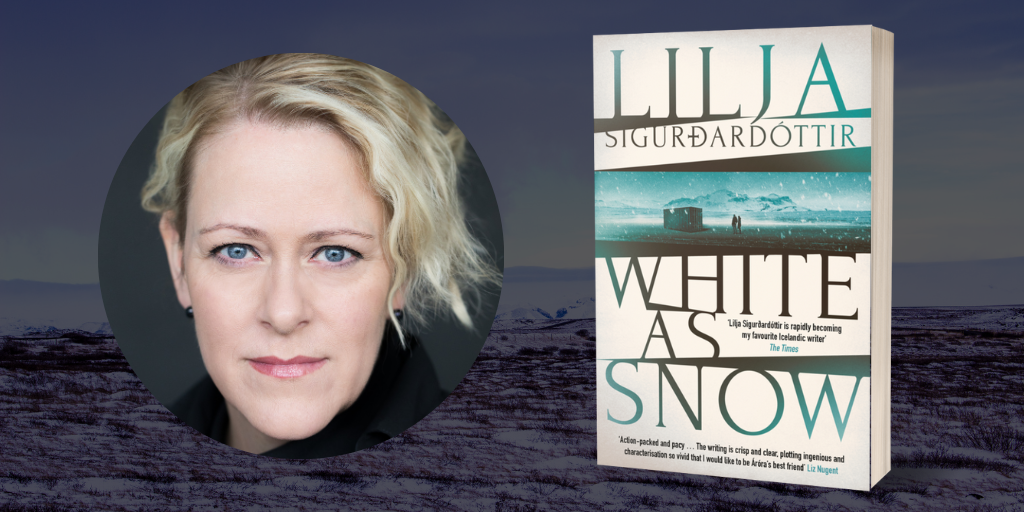
When most people think of Iceland, they conjure up images of stunning landscapes, geysers, and the magical Northern Lights. This pristine imagery, however, stands in stark contrast to the inspiration behind my latest English release, White as Snow (originally Náhvít jörð in Icelandic).
The story commences with a chilling discovery – an abandoned shipping container on the outskirts of Reykjavík. Inside? The bodies of four young women, and another barely clinging to life. As Detective Daníel delves into the investigation, Áróra is pulled into a web of intrigue and peril as she does a background check on a mysterious man. These parallel tracks soon intertwine, leading to unexpected and dangerous junctures.
The haunting backdrop for this novel is human trafficking – a grim reality more common in Iceland than one might expect. While the shocking element of the shipping container filled with bodies is borrowed from international incidents, the core of the story draws from real Icelandic cases of sex trafficking. To imbue authenticity and depth into the narrative, I conducted interviews with two survivors. Their harrowing experiences, along with tales from other sources, stunned me with their eerie similarities. This uniformity suggests that sex trafficking in Iceland isn’t just isolated incidents but possibly a facet of an organised network.
Iceland, with its low murder rates and close-knit communities, often exudes an aura of being near crime-free. Yet, these revelations about trafficking throw that perception into disarray. The tales of these women and countless others like them are a stark reminder that no country is immune to the dark shadows of human exploitation.
Penning White as Snow was no easy feat. The subject matter, raw and unsettling, led to many sleepless nights. Yet, there’s a glimmer of hope – by illuminating this issue through fiction, I aim to spark a dialogue, to raise awareness, and to ultimately contribute to the eradication of such heinous crimes.To every reader, I hope White as Snow not only entertains but also educates and inspires action. Because the world we envision – a world free from the clutches of human trafficking – begins with awareness and ends with collective action.


1. My first job was as a gravedigger and cemetery attendant.
2. I was a traitor in the first Norwegian celebrity season of The Traitors (but I was exposed in Episode 6).


3. The National Police Directorate in Norway has a meeting room named after me – Room 205 is ‘Lier Horst’.
4. I own a hotel in the Norwegian mountain town of Vaagaa, where you can stay in my room when I’m not there.


5. I am co-host of the weekly, live television show Crimewatch Norway (Åsted Norge).
Jørn Lier Horst is co-author of Stigma, with fellow Norwegian crime-writer Thomas Enger.
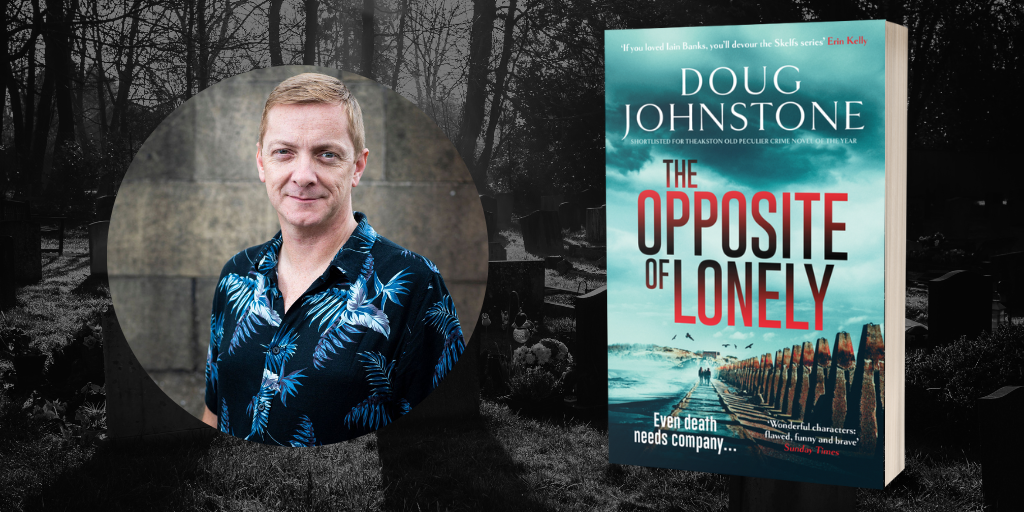
The inspiration behind the latest book in the Skelfs series – The Opposite of Lonely – comes from a whole host of places, as it always does with these crazy, diverse, complex books. If you don’t know, the books are about three generations of women from the Skelf family who have to take over the running of both a funeral-director firm and private-investigator business when the patriarch of the family dies.
This is a great set-up that allows me to investigate pretty much anything I want, and that’s just as true of this book as its predecessors. The novel opens with a potential disaster at a funeral on Cramond Island off the coast of Edinburgh. Cramond is a tidal island, and let’s just say someone doesn’t read the tide timetable very well.
This opening kicks off a storyline that concerns a group of itinerant people who have parked their caravans and campers on the shore next to Cramond Village, drawing criticism from the locals and authorities. These people aren’t ethnic Travellers, more just people who prefer the travelling lifestyle, and I’ve long been fascinated by that idea.
This was crystallised when a similar group arrived in my local community and were met with extreme online and in-person reactions. I found that really depressing, that local folk just disregarded and abused them. What happened to the idea of live and let live? I wondered if that anger was partly a result of jealousy – these were people who seemed more free than the rest of us. They were also vulnerable, so an easy target.
In The Opposite of Lonely two of the travellers are victims of an arson attack, and Dorothy, the head of the Skelfs, investigates. What she finds is more dangerous and poisonous than even she could’ve expected.
Without giving anything away, that storyline is to do with abuse of power. This ties into one of the other plot lines in the book, where Dorothy’s granddaughter Hannah investigates a former astronaut being abused by conspiracy theorists. The ex-astronaut, Kirsty, is a hero of Hannah’s, and she is drawn into her orbit despite her better judgement, with dangerous consequences.
This story partly stems from my interest in something called the overview effect, where astronauts return to earth having had a profound, almost religious, experience in space. The psychological effects of going to space haven’t really been investigated, and I found it fascinating to dig into what that might do to a normal person. Needless to say, it’s a crime novel, so it doesn’t end up with a happy-ever-after.
There’s so much else that inspired this book, same as all of the books in the series. But the overall themes have remained the same throughout – looking at issues of power, forgiveness, empathy and, above all, human connection. I hope this book lives up to its predecessors, but I’ll let the readers be the judge of that.
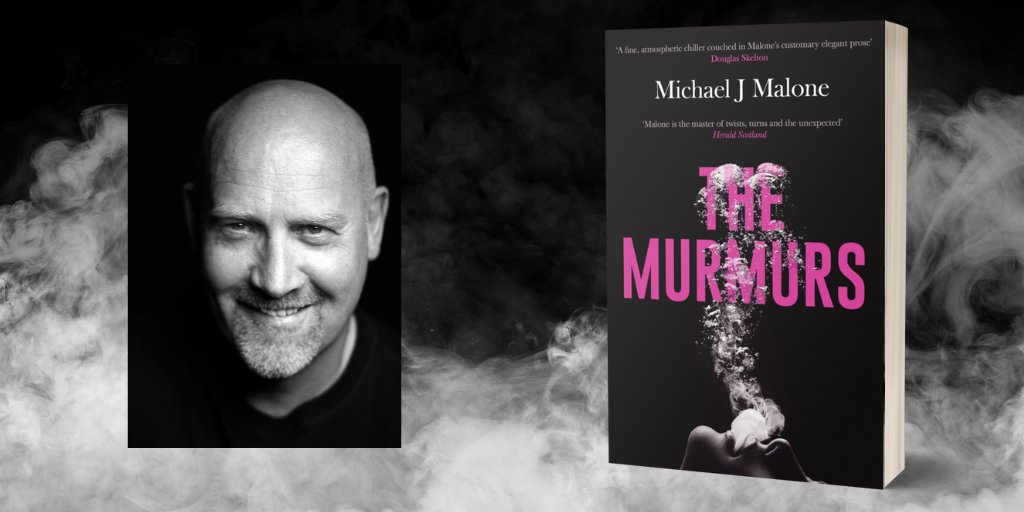
The idea for this book came to me in a dream. Sort of.
Let me explain.
It was one of those mornings when you wake up and you need just another five minutes in bed, you know? So, on waking, I simply turned on to my side, snuggled in under my quilt, and closed my eyes…
And in that second, in my mind’s eye I saw a group of people sitting around a dinner table – and somehow I knew everything about them.
There is a married couple, with their twins, Annie and Lewis, aged twelve years old. And a woman who the twins have never ever seen. She is their mother’s sister, and her name is Sheila. The twins are understandably curious. Who is this woman? And if she’s their aunt, why have they never met her?
Somehow I know this happens in a remote town in the far north-west of Scotland. And somehow I know this is a place steeped in religion. A location where terrible things have happened in the past … Vikings … the Reformation … witch hunts … I see a little round, white church – built that way so there is nowhere for the devil to hide – with a patch of bare earth outside where nothing ever grows…
Then, in my dream state I watch as Annie experiences something terrifying. Her aunt’s face almost judders – as if being viewed through a faulty television screen – and Annie can somehow see through her skin to the bones beneath – and she knows, she KNOWS, that her aunt is dying of cancer. And to add more shock to the situation, her aunt isn’t even remotely surprised when Annie blurts out her diagnosis – indeed, her expression betrays the fact that she almost expected it.
I jumped out of bed – got to my desk – and started to tease out the story a bit more.
Who exactly was this aunt?
Why was she estranged from her sister’s family?
What happened to Annie – some kind of premonition? Will it happen again?
Why isn’t Sheila surprised?
Why was this happening to Annie – and why now?
Sssh – are you listening?
The Murmurs.
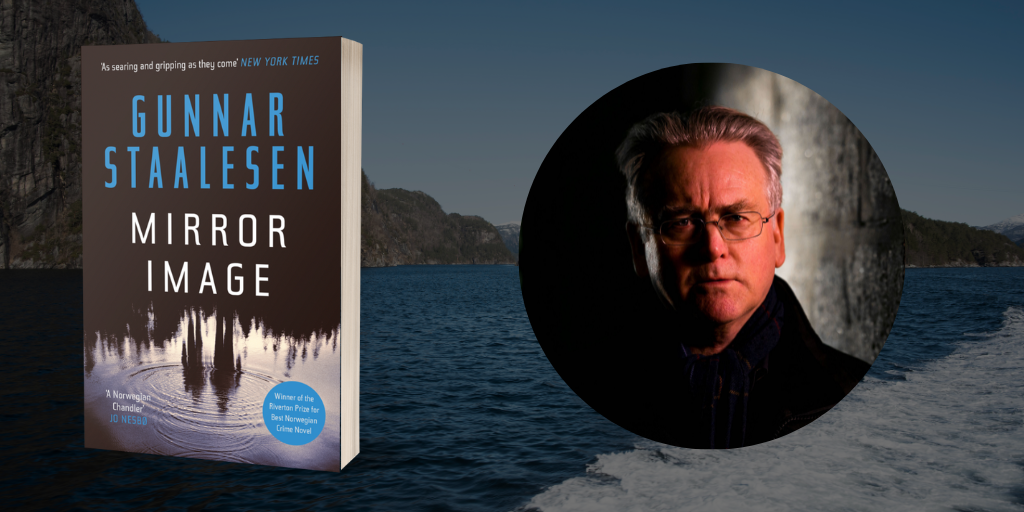
Did you know that Gunnar Staalesen…

…has run ten marathons and fifty half-marathons during his running life. He still goes running at last once a week.
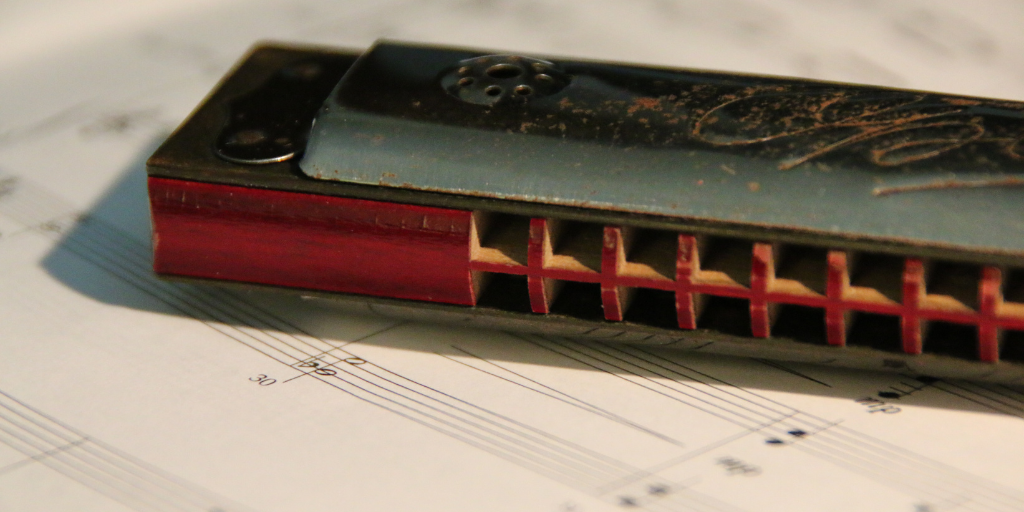
…learnt to play piano as a kid, but with no significant success. He also plays the harmonica – many young boys of his age from Bergen learnt it on the street, mostly for private use…
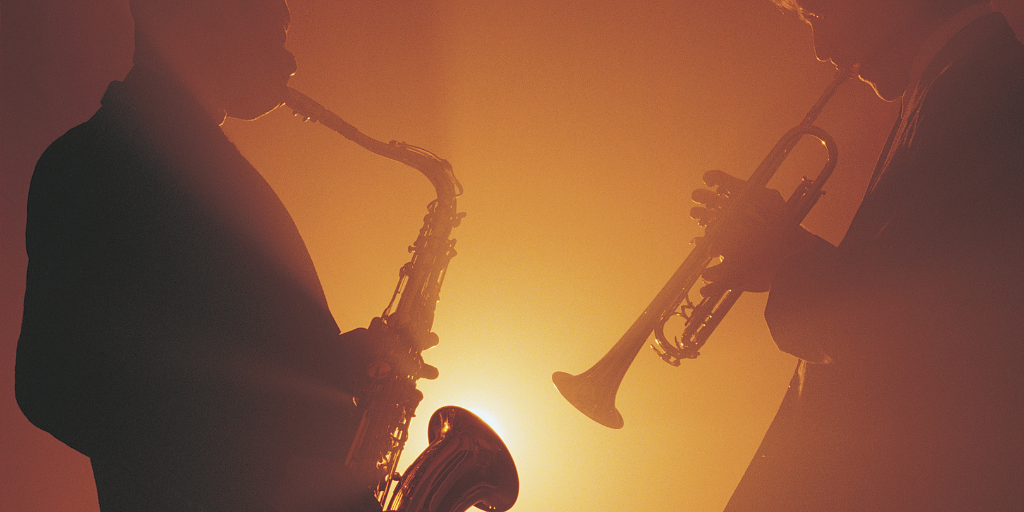
…preferred to listen to Frank Sinatra, musicals and jazz while his friends were enjoying rock ‘n’ roll. The Beatles did eventually turn him towards rock, but he has maintained a lifelong love for good old jazz music, in the style of Ben Webster and others, with a special love for saxophone players…
…has a small herb garden at his summer cabin north of Bergen, where he grows thyme, oregano, rosemary and other herbs to use in his summer salads…

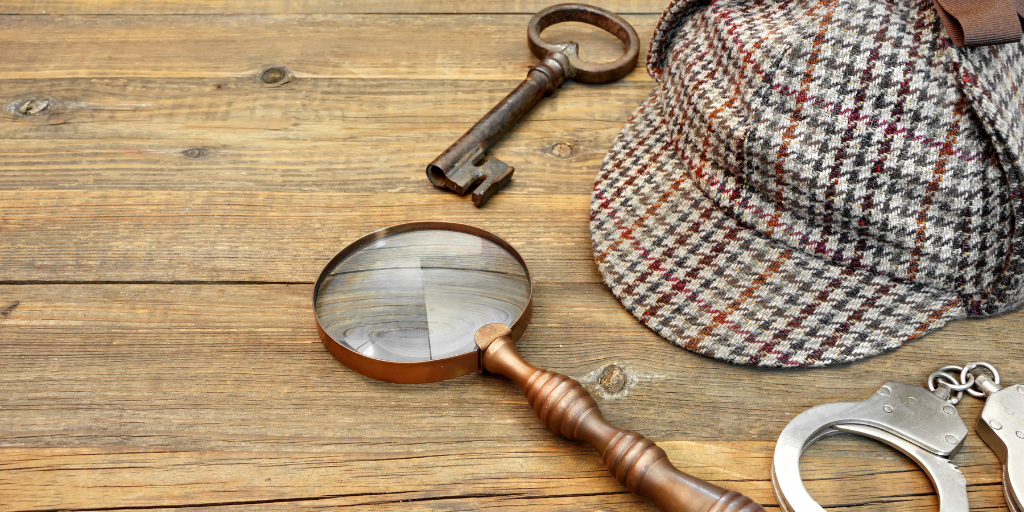
…read his first Sherlock Holmes story when he was thirteen and has been a crime fan ever since…

Awais Khan is author of the exquisitely written Someone Like Her, out now in paperback.
Read five fascinating facts about Awais, one of Pakistan’s most revered authors.
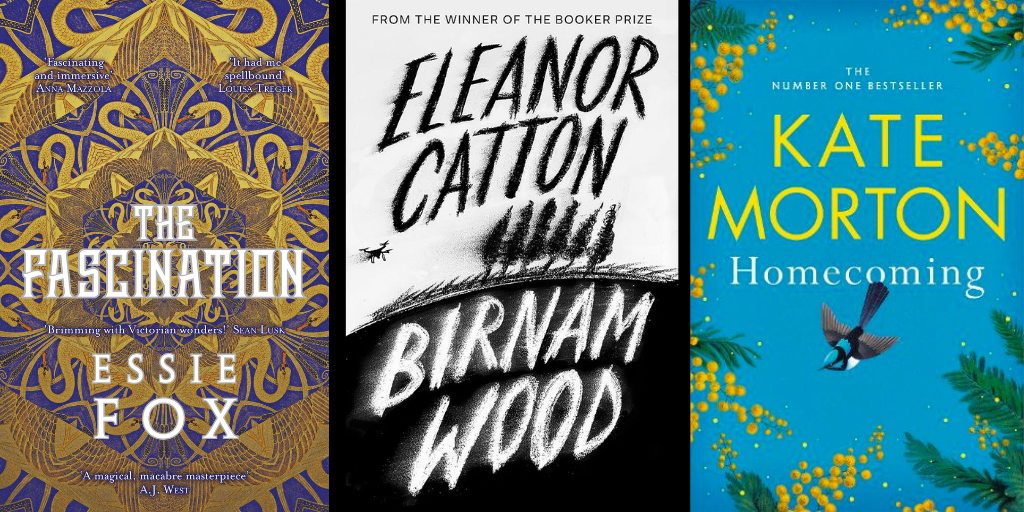
I’m not a one-book-at-a-time person and have several on the go at once. In my thirties, I find that I am drawn towards a variety of genres whereas in my teens, I would exclusively read classics or YA. These days, I am reading Homecoming by Kate Morton, Birnam Wood by Eleanor Catton and The Fascination by Essie Fox. Maybe it’s the technologically advanced era we live in, but I love to multi-task and I’ve incorporated that same formula when it comes to reading books. Historical fiction has been a revelation for me. I had no idea it was so very enjoyable.
Despite it being my home city, Lahore is not my favourite. That honour goes to London. It is hard for me to define London in a word or even a sentence. London is a feeling. The moment I step out of Heathrow, I feel my spirits lifting. Maybe it’s the fact that London is the hub of publishing and I absolutely love everything about the industry, or that a lot of my friends are based there, but something about the city is just therapeutic. After the pollution and dullness of Lahore, London is like a breath of fresh air. This feeling is what inspired me to include London in my latest novel Someone Like Her. I wanted to help people see London the way I saw it.


My favourite food is Chicken Biryani, and every bite is pure heaven. It’s a unique blend of ethnic spices that is not always easy to get right, and you have to make sure that you add just the right amount of water to the rice and just the right amount of oil too. In Pakistan, we eat basmati rice, and it’s so slender and fragile that overcooking can ruin it completely and undercooking it … well, nobody like undercooked rice. More than that, biryani is also a symbol of the diversity of flavours of our region and is the kind of food that can bring together the people of South Asia.
I love wearing funky socks. My wardrobe is generally very boring and I don’t like experimenting with too many colours, but wearing colourful socks is my one indulgence. I even stopped wearing plain socks to work. The people who know me will always ask to see the kind of socks I am wearing – it’s kind of become part of my identity. My crazy socks help to lift my spirits and living in a country like Pakistan, we often need that.


Contrary to popular belief, I don’t write much in the privacy of my study, and prefer noisy cafés. For some reason, the noise helps me focus. I wrote Someone Like Her in a very busy café in Lahore called Coffee Bean and Tea Leaf. In 2022 I visited it so frequently that the management had a place reserved for me for the hours I spent there, drinking my favourite white chocolate mocha and typing away. The fact that I can focus better in noisy environments was something I discovered while I was in London. Struggling to write in the room I was renting, I went to a busy Starbucks near Russell Square station one day and it was as if a fog had lifted from my mind. Before I knew it, the words flowed.
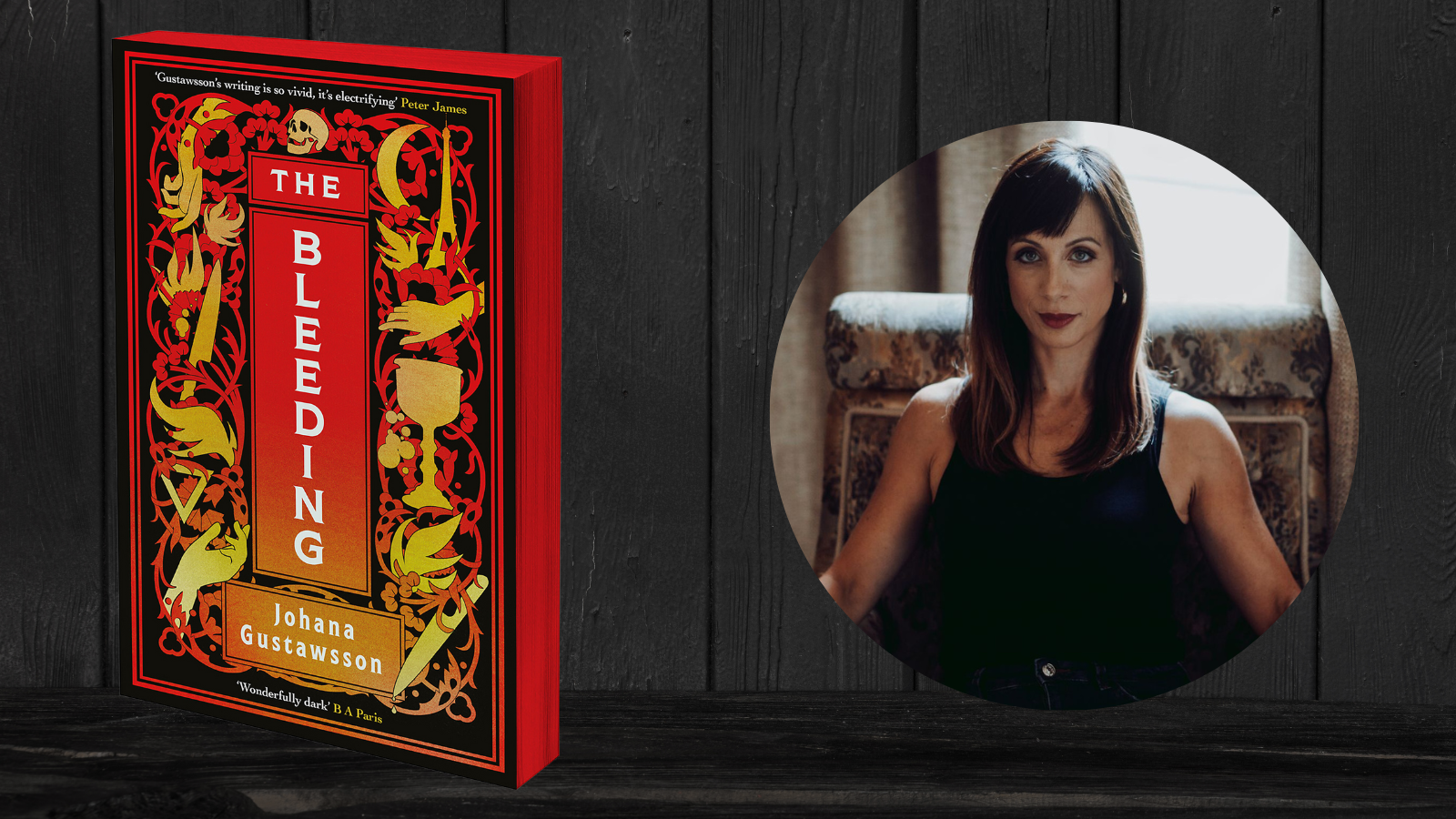
Johana Gustawsson is author of the dazzlingly dark, bewitching gothic thriller, The Bleeding, translated by David Warriner – out now in paperback with red-sprayed edges and the first chapters of her upcoming thriller, Yule Island, included.
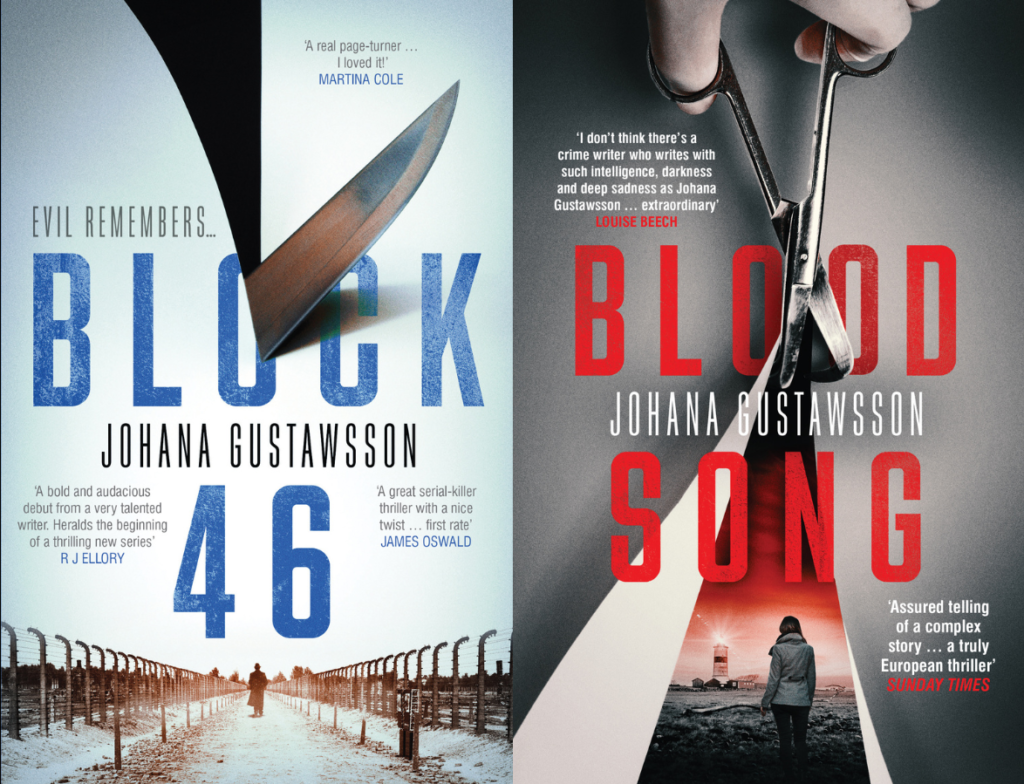
1. My family’s history served as a major source of inspiration for my first and third books, Block 46 and Blood Song, both of which are part of the Roy and Castells Series.
Block 46 was inspired by my paternal grandfather. He was a woodcarver before integrating the French Resistance. He was then sent to Buchenwald concentration camp, and he was one of the courageous men who organised its liberation.
Blood Song was inspired by my two grandfathers. My paternal grandpa, who, just before integrating the French Resistance, fought for the Republicans in the International Brigades during the Spanish Civil War in 1936; and my maternal grandfather, who was a young Spanish boy at the time, living in Barcelona.

2. I am addicted to three things.
I’ll start by the healthy one: Exercise. Every day, I wake up at five to exercise for around 45 minutes. This aids in calming my thoughts as I begin my day and then murder people in my books!
Cheese and bread are my other two addictions. I know it sounds like a caricature of French people, but that’s me: happiness is a slice of blue cheese on a slice of homemade bread.
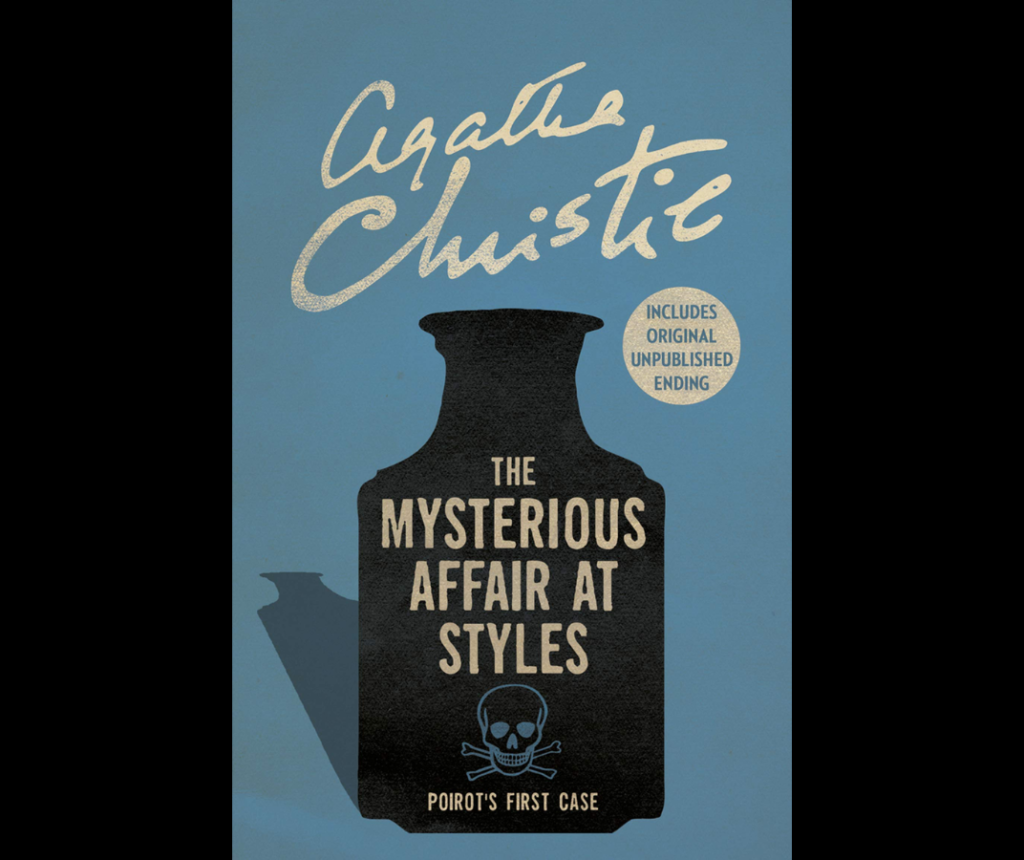
3. I wasn’t a keen reader as a kid. My mother, a teacher, became incredibly desperate and was so disappointed that she had failed to instill in me the love of reading. Then, one day, when I was seven, she suggested I should read Agatha Christie’s A Mysterious Affair at Styles, which I completely fell in love with. This book changed my life. And that changed my vision of words and reading. It led me to the path I am now on as an author.
4. Until my mid-twenties, I dreamt of becoming an actress! I attended the Cours Florent, a famous Parisian acting school, but I soon realised that I didn’t like either castings or learning my lines, which is a bit of a problem if you want to become an actor! What I really liked, however, were the stories and the words themselves – and actually writing those things – more than interpreting them for the stage or screen!

5. Two years ago, I moved to Sweden, my husband’s home country, And my relocation inspired my most recent book, Yule Island, which will be published in the UK in December 2023. The inspiration came from a very small pedestrian island, located next to the island where I live, where there is a manor rumoured to be haunted. When a murder takes place, the subsequent investigation suggests that those rumours might be true…
Buy your copy of The Bleeding HERE
You can connect with Johana on: TWITTER, FACEBOOK or INSTAGRAM

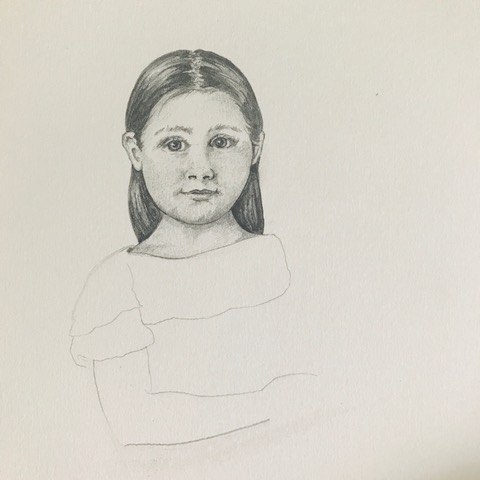
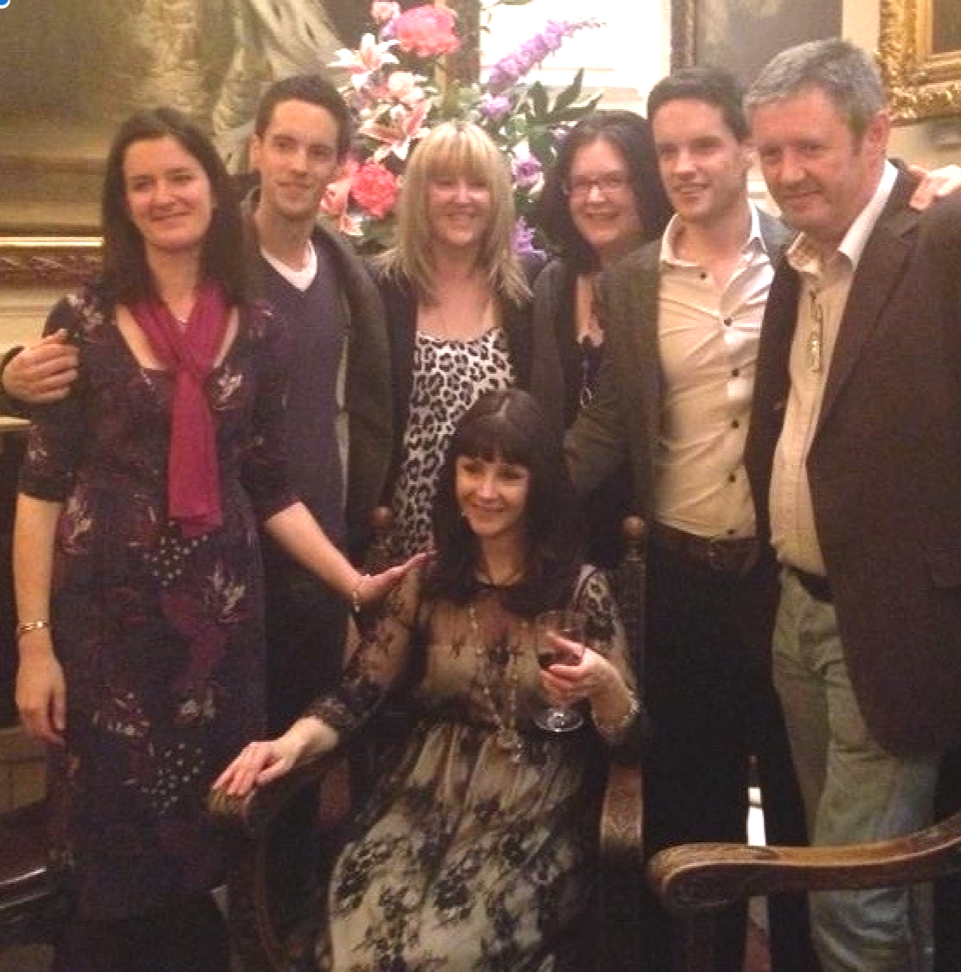
1. In my novel, The Fascination, one character – Tilly – doesn’t grow a single inch after a violent accident in her childhood. Only after writing this did I suddenly recall something from my own past that may have influenced the story.
At the age of eleven I was in a private swimming pool when the ceiling lights proved faulty. I’d been on a rubber float, but as I paddled through the water my fingers started stinging; the strangest prickling sensation. At the time I’d assumed it was the chlorine in the water. I should get out straightaway. However, when I touched the sides of the pool I had a shock and was thrown back in again. My sight was gone. All I could see was black and white zig zag lines, and it felt as if my body was vibrating up and down. My brother (who was younger) tried to help me escape by picking up a pole by which to drag me from the water. But the pole was made of metal. He also had a jolting shock, and then ran off into the night.
Obviously, I survived. Someone came and switched the lights off. But I was ill for some quite time … and never grew another inch. My six siblings are all well above the average in height, making me the ‘little one.’
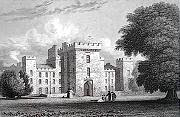
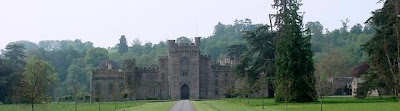
2. Another book-related matter connects to a house called Hampton Court in Herefordshire. When I was a little girl, I always begged for whoever was driving to slow down as we passed the ancient house, so I see more easily the castellated gothic structure that stood some way beyond the road. Some years later, when I’d gone to university but was home for the summer, I was offered a job as a cleaner at the house. And what an experience that was. Passages lined with suits of armour. Heads of deer on panelled walls, and many other animals. There was also a room I really hated going into because it had such a cold and malign atmosphere. Many years afterwards that experience informed my descriptions of a haunted country house in my first novel. More recently, it’s influenced scenes in The Fascination, with my imagined Dorney Hall having a room with panelled walls, with the stuffed heads of animals … and other curiosities of a more sinister persuasion.
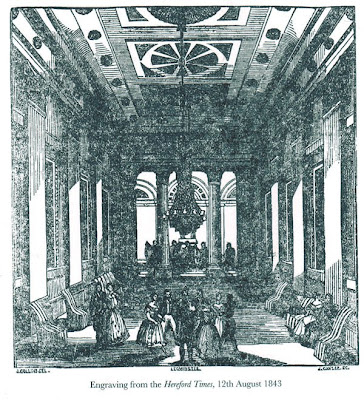
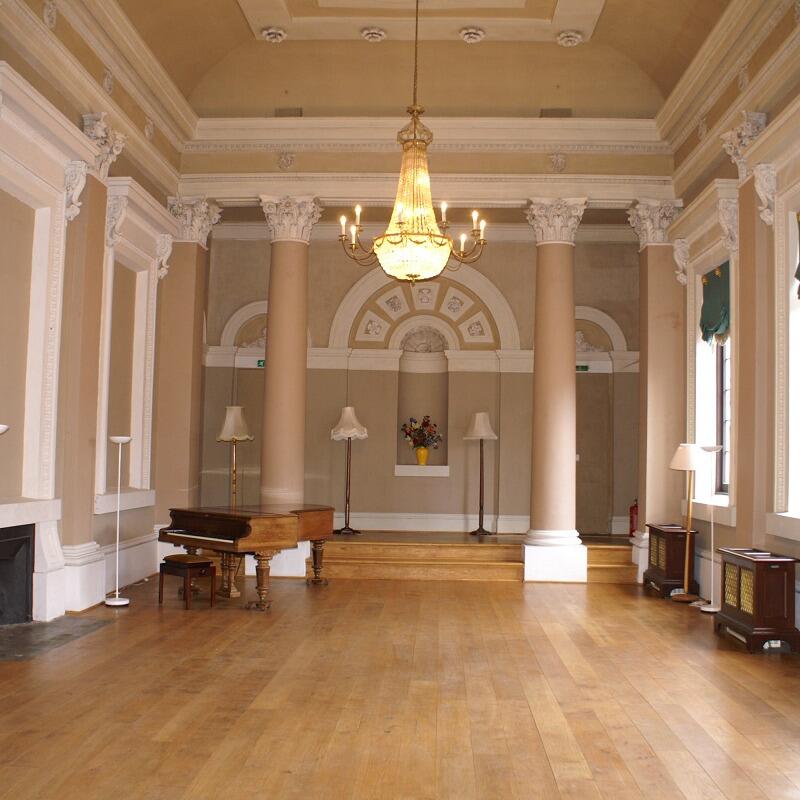
3. I’d never have the confidence to perform on a stage, but I have always been entranced by the glamour of the theatre. I’m sure this stems back to the place I’ve always thought of as ‘my grandmother’s ballroom’.
My grandfather ran an agricultural supply business with shopfront, offices and stores based in a grand old building originally built as a Victorian coaching inn in the rural town of Leominster. They lived in rooms on upper floors, with endless corridors and rooms running off throughout the building. One of these was a ballroom, though it was never used as such since the coaching inn closed down. I recall it as a room filled up with iron beds and tables, and sacks of grains and other foodstuff. Rats skulked in the shadows. Cobwebs hung from plaster mouldings of the ceiling like lace. The air was filled with swirling dust that shone with diamond motes of light. The memory is magical and it haunts me to this day, and now the dereliction of a majestic old building with a room that has a stage used as a theatre at one end is reborn in Linden House – a house in Chiswick, featured in The Fascination.
(Today, the Lion Ballroom has been sold and the room is beautifully restored. It can be visited for private and public events. I must confess I’ve never been. I prefer to remember the ballroom from my childhood. www.lionballroomleominster.co.uk)
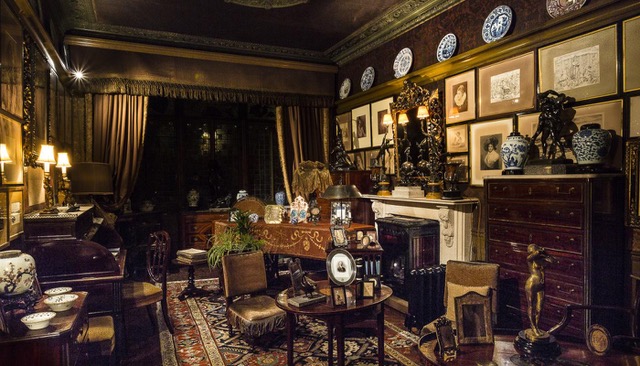
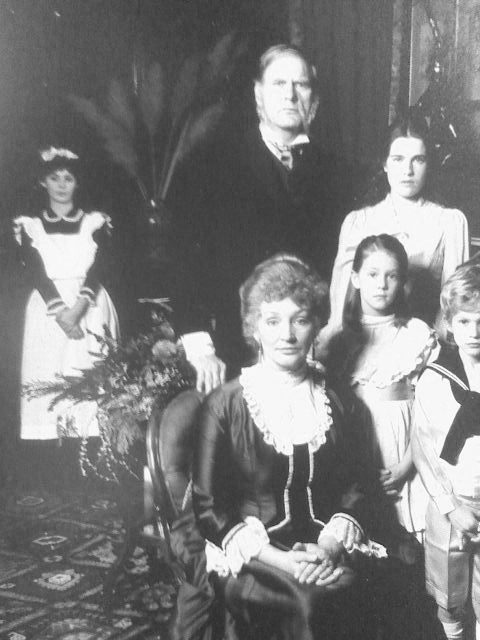
4. My first job in London was as an assistant to the editor of the Telegraph Sunday Magazine. It was the oddest job, with very little actual work. But there was lots of fun, with free tickets to the theatre, and once even being asked to model for a feature depicting Christmas through the ages. Here I am as a maid in Linley Sambourne House in London’s Kensington. I often think of that location when I’m writing and describing Victorian interiors.
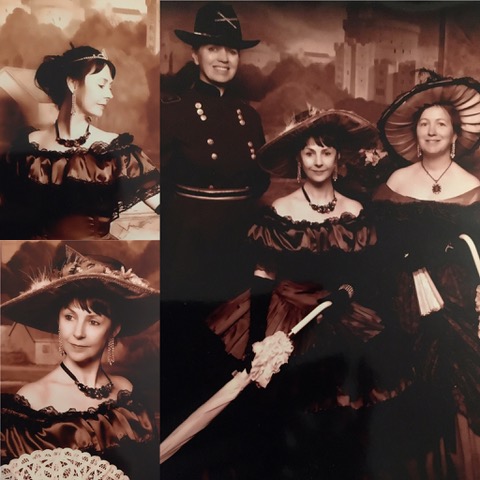
5. Dressing up as a Victorian is not something I go for on a regular basis, but there was also the time when some friends surprised me with a birthday outing, to be photographed with them as if in the Wild West. Afterwards I put the picture on a website I curate called The Virtual Victorian, claiming it showed a distant relative of mine, Zylphia Fox, who’d offered succour to the soldiers of the Confederate army during the Civil War. I’m amazed to say some people actually believed the story and the pictures genuine. I didn’t have the heart to say it was an April’s Fool. Perhaps one day those images will inspire yet another Victorian-themed novel … but one based in America.

I’ve always loved Victorian novels and the history that made them, especially the worlds of dramatic entertainments – whether the sideshows of quack doctors who travelled round the rural fairgrounds, or the glamorous theatres where pantomimes could last for hours and had the most impressive sets, not to mention casting stars to help draw in an audience.

One of my novel’s characters is a girl called Tilly Lovell who doesn’t grow a single inch after the age of five – much like the real Princess Lottie who, at the age of fourteen, was only twenty inches tall and weighed no more than nine pounds. Princess Lottie was a member of a theatrical troop that performed as Harvey’s Midges, and that is all I know of her. However, this photograph brings her to vivid life, as do others I discovered of some of the real people who went on to inspire those invented in my fiction.
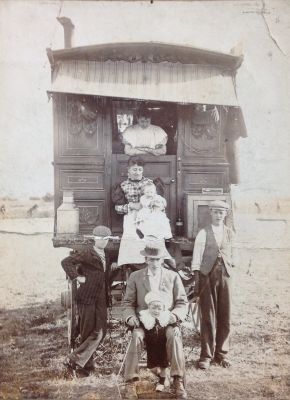
The famous Lord George Sanger was a circus manager, with his adult profession influenced by a childhood with his roguish showman father. The younger Sanger trained his own performing troop of mice, and this aspect of his story I have echoed when describing my character called Ulysses. There is also the tale told by Tilly and her sister of having seen a dead man’s face outside the window of their vardo, which was another memory from Sanger’s autobiography – when he claimed that one night a pair of grave-robbers were riding on his father’s fairground wagon, and the corpse that they had stolen and stored up on the roof started slipping from its wrappings in a most alarming manner.
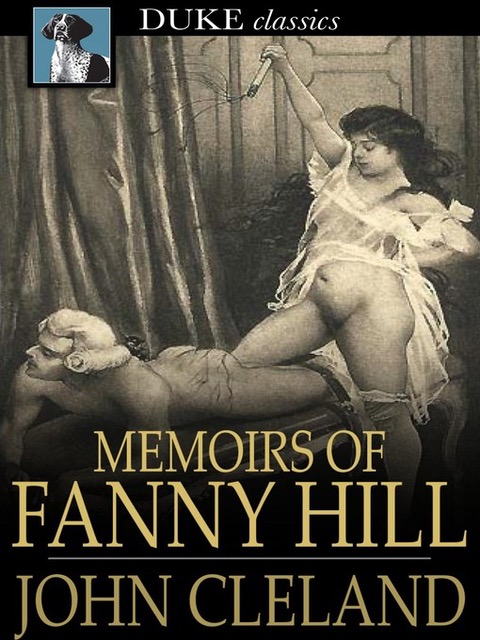
Another real character deserves a novel of his own; but, for the purposes of this one, he once owned the Chiswick house where my Lovell sisters live with an Italian called Captain (after escaping their exploitative drunkard of a father who tours his daughters round the showgrounds to sell his ‘miracle elixir’). In Linden House they are told how the now absent Thomas Wainewright killed some of his relatives by the means of poisoned powder kept concealed inside a ring. This is mirrored in the book when Keziah finds a ring that may well have held the poison, which is subsequently used to dramatic effect. Also drawn from Wainewright’s life is the fact that his family published the first editions of the scandalous book: The Memoirs of Fanny Hill. Still available today, the book is highly entertaining and extraordinarily explicit. Quite the sexual education for Tilly and Keziah Lovell.

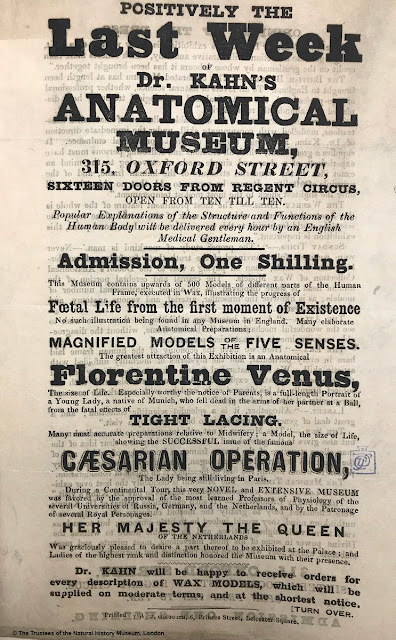
The Oxford Street Museum, where Theo Seabrook is employed by Doctor Eugene Summerwell, was another real venue run by a Doctor Joseph Kahn. Known at the time as a gloomy sepulchre of horror, it claimed to educate the masses on reproduction and good health, for which it also sold medicinal pamphlets and quack cures. Titillation for the masses came with displays of wax models which exhibited the ravages of venereal disease. There were also displays of so-called freaks of nature, while the Anatomical Venus represented a woman whose torso was exposed to reveal the inner workings of the organs of the body; even a baby in the womb. The museum was closed down and its exhibits were destroyed after complaints from the Society for the Suppression of Vice. However, such collections were very popular at the time. Today, for those inclined to see a similar display, Viktor Wynd’s Museum of Curiosities, Fine art, and UnNatural History is situated in East London. For somewhat less bizarre, but equally macabre displays, there are the specimens on show in the Hunterian Museum, which is currently owned by the Royal College of Surgeons.
Surgeons working at the time when this novel takes place were very often known as butchers. Many operations were performed with no sedation before an audience of students. The gruesome scene in which my character of Theo recollects one surgeon having claimed to amputate an injured leg in less than seven seconds flat is based on a true story.

Somewhat less bloody but perhaps equally cruel entertainments were to be found in the freakshows of anatomical ‘wonders’. Living human exhibits such as Joseph Merrick, known as the Elephant Man, would be toured around the showgrounds where their appearances drew responses of pity, shock, and disgust.
[Fedor Jeftichew with hairy face]

My own imaginary Aleski with his dense growth of body hair is partly based on the real Fedor Jeftichew. Fedor was called ‘The Dog Faced Boy’ and was displayed all over Europe. He was then hired by P. T. Barnum who took him to America, claiming the boy was raised by wolves, and still so wild he only barked or growled in conversation. (In fact, he was well-educated, speaking fluently in Russian, German, and English.) My Aleski also talks about a Julia Pastrana, another real and unnaturally hirsute young woman who was born in Mexico. It was claimed that Julia had an ape for a father, and when she died in childbirth the showman who had ‘owned’ her (likely to be the baby’s father) had Julia and her dead child embalmed to carry on his touring. The greed for money and fame was what produced the real monsters, more of whom are found within the pages of my book.
But, despite the gothic horrors and the darkness of this story I also hope to shed some light on the bonds formed by friends and a protective ‘family’ – with the hope that being ‘different’ does not always have to mean a life of pain and suffering.
Essie Fox is author of The Fascination, published on 22nd June, by Orenda Books.
For more detailed information about the themes and real stories discovered in The Fascination, please visit Essie Fox’s website: www.essiefox.com, or The Virtual Victorian, a historical blog based on ‘facts, fancies, and fabrications’ relating to the era. www.virtualvictorian.blogspot.com


